Living near the coast in Kodungallur is hard on car paint. Learn how professional ceramic coating protects against salt air, monsoon rain, UV and hard water. Book at Menora WE2 Auto Detailing Studio, Irinjalakuda.

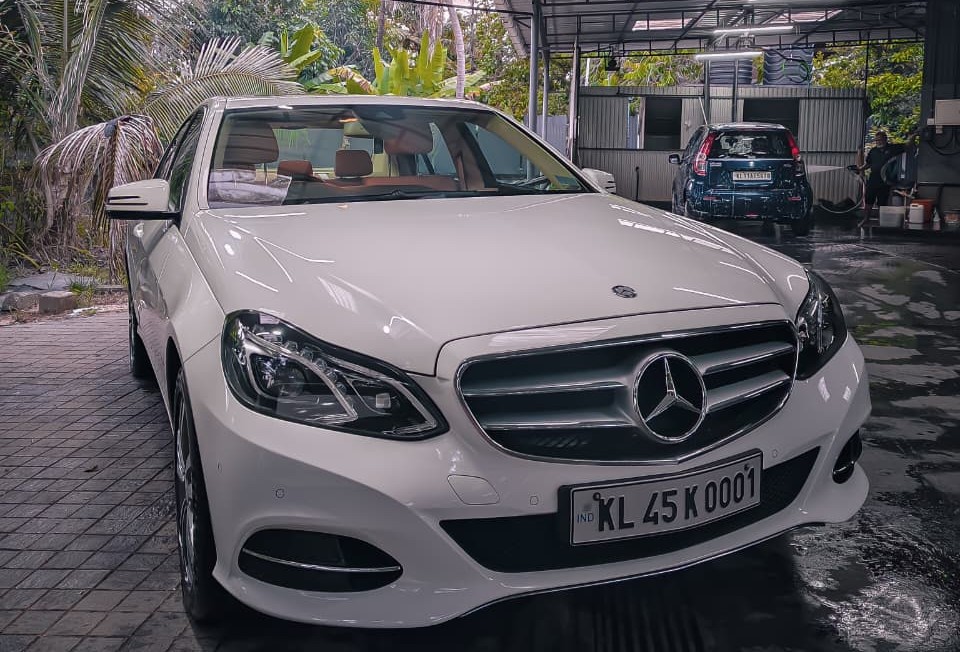
Living near the coast in Kodungallur is hard on car paint. Learn how professional ceramic coating protects against salt air, monsoon rain, UV and hard water. Book at Menora WE2 Auto Detailing Studio, Irinjalakuda.
A repeat customer from Eriyad brought his two-year-old silver hatchback to our Irinjalakuda studio earlier this year with a complaint we hear often from the Kodungallur side: the paint had lost its shine faster than his previous car ever did, even though he washed it every week. When we examined the bonnet under inspection lighting, the answer was obvious. A fine layer of salt residue had bonded with dust and hard water minerals, slowly etching into the clear coat. He lived barely three kilometres from the sea, and his car had been breathing salt air every single day.
This is the reality of owning a car in Kodungallur. Between the coastal humidity drifting in from Azhikode and Munakkal, the heavy monsoon months, the traffic dust along NH66, and the mineral-heavy borewell water most households use for washing, vehicle paint in this region faces a combination of stresses that inland car owners rarely think about. Ceramic coating exists precisely for conditions like these, and in this article we explain how it works, what it genuinely does and does not do, and how car owners in Kodungallur and the surrounding coastal belt can decide whether it is worth the investment.
Ceramic coating is a liquid polymer, usually based on silicon dioxide (SiO2), that is applied by hand to a vehicle's paint after thorough surface preparation. Once cured, it forms a hard, transparent layer that chemically bonds with the factory clear coat. Unlike wax, which sits on top of the paint and washes away within weeks, a professionally applied ceramic coating becomes a semi-permanent part of the paint surface and typically lasts between three and five years with proper care.
The coating creates a hydrophobic surface, meaning water beads up and rolls off instead of sitting on the paint. It also adds a measurable layer of hardness that resists light swirl marks, chemical etching from bird droppings and tree sap, and the dulling effect of ultraviolet radiation. In simple terms, ceramic coating is a sacrificial shield: contaminants attack the coating instead of your paint, and the coating is engineered to withstand that attack far better than a factory clear coat can.
It is important to be honest about limits. Ceramic coating is not a substitute for paint protection film when it comes to stone chips, and it does not make a car scratch-proof. What it does exceptionally well is resist chemical and environmental damage, keep the car cleaner for longer, and preserve gloss and colour depth over years rather than months.
Kodungallur sits at the meeting point of the Arabian Sea coastline and the backwater network of the Periyar river mouth. That geography gives the town its character, but it also creates one of the most paint-hostile environments in Thrissur district. Here is what your car's paint deals with daily:
Salt-laden sea air. Homes and roads in Kodungallur, Eriyad, Azhikode, and Mathilakam are close enough to the coast that airborne salt settles on parked vehicles continuously. Salt is hygroscopic, meaning it pulls moisture from the air and holds it against the paint surface, accelerating oxidation and corrosion on any exposed metal edge.
High year-round humidity. Moisture never really leaves the air here. Constant humidity slows drying after rain and washing, extending the time water spots and mineral deposits have to etch into the clear coat.
Intense pre-monsoon sun. From February through May, UV radiation in coastal Kerala is severe. Unprotected clear coat gradually oxidises, which is why so many older cars in the region show faded bonnets and roofs while the doors still look acceptable.
Two monsoon seasons. The southwest and northeast monsoons together give this region several months of near-daily rain. Rainwater mixes with road grime and atmospheric pollutants, and when it dries on paint it leaves mineral and contaminant deposits behind.
Hard borewell water. Most home car washing in the Kodungallur area uses borewell water with high mineral content. Every wash that is not dried properly leaves calcium and magnesium spots that gradually bond to the paint.
NH66 traffic film. The highway corridor through Kodungallur carries heavy commercial traffic. Diesel soot, brake dust, and tar spray form a stubborn film on vehicles that use this route daily.
Bird droppings and tree sap. Shaded parking under mango, banyan, and coconut trees is common in residential areas, and both droppings and sap are acidic enough to permanently etch unprotected clear coat within hours in hot weather.
Individually, each of these is manageable. Together, they explain why cars in coastal Thrissur age visibly faster than the same models kept in drier inland towns. This is the specific problem ceramic coating was designed to solve.
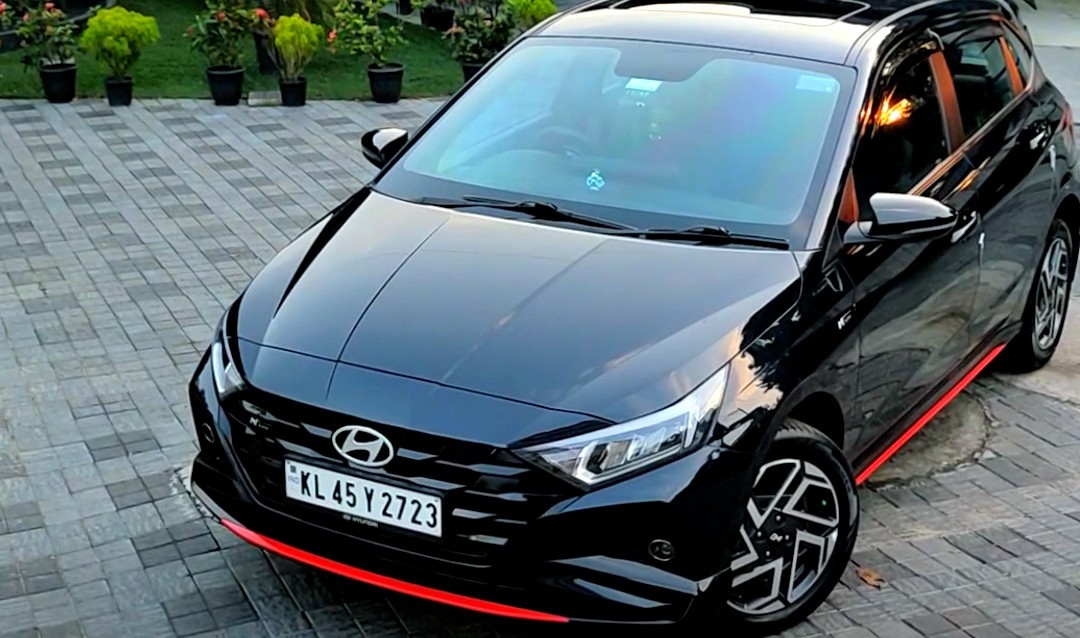
When we recommend ceramic coating to customers coming from the Kodungallur side, these are the practical, real-world benefits they experience:
Salt and moisture resistance. The coating seals the clear coat so salt-laden humidity cannot sit directly on the paint. For coastal owners, this is the single biggest advantage.
Water beading and faster drying. Rain and wash water sheet off the hydrophobic surface, dramatically reducing water spotting from hard borewell water and monsoon rain.
UV protection. The coating absorbs and deflects much of the UV load that would otherwise oxidise the clear coat, keeping colour depth and gloss intact through Kerala's brutal summer months.
Chemical resistance. Bird droppings, tree sap, and acidic contaminants take far longer to cause damage, giving you a realistic window to clean them off without permanent etching.
Easier washing. Dirt does not bond to a coated surface the way it bonds to bare clear coat. Weekly washes become quicker, gentler, and require less aggressive scrubbing, which itself reduces swirl marks.
Long-term cost saving. A coated car needs no waxing, resists the damage that leads to paint correction, and holds resale value better. Over a three to five year lifespan, the coating typically costs less than the cumulative alternative of repeated waxing and eventual polishing.
Lasting showroom gloss. A properly prepped and coated car has a deeper, wetter-looking gloss than a new car straight from the showroom, because the paint is corrected before coating.
Over years of detailing vehicles from the coastal belt at our Irinjalakuda studio, certain problems appear again and again during inspection:
Salt film and early-stage oxidation on horizontal panels, especially on cars parked outdoors near Azhikode, Eriyad, and Munakkal.
Hard water etching in circular spot patterns across bonnets and roofs, from borewell water washing without proper drying.
Swirl marks and wash-induced scratches from roadside quick washes using recycled water and dirty cloths.
Etched bird dropping marks that have burned through the clear coat, particularly on cars parked under trees.
Faded plastic trim and dull headlights, accelerated by the same UV and salt exposure that attacks paint.
Tar and iron contamination on lower panels of cars that run the NH66 stretch daily.
Most of these problems are correctable if caught early. Paint correction can remove swirl marks, water spots, and light etching before ceramic coating locks in the restored finish. This is exactly why professional coating always begins with a detailed inspection rather than jumping straight to application.
A ceramic coating is only as good as the preparation underneath it. If the coating is applied over swirl marks, water spots, or bonded contamination, those defects are sealed in for years. At Menora WE2 Auto Detailing Studio, the process for a coating job typically runs across two to three days:
Inspection and documentation. We examine the paint under proper lighting, measure paint thickness where needed, and note existing defects so you know exactly what condition your car is in before work begins.
Deep wash and decontamination. A thorough foam wash is followed by chemical decontamination to dissolve iron particles and tar, then a clay bar treatment to physically lift bonded contaminants the wash cannot remove. On coastal cars, this stage removes the salt and mineral film that normal washing never touches.
Paint correction. Machine polishing in one or more stages removes swirl marks, oxidation, water spot etching, and light scratches, restoring genuine clarity and gloss to the clear coat.
Surface preparation. Panel wipe solutions remove every trace of polishing oils so the coating can bond directly to clean paint.
Coating application. The ceramic coating is applied panel by panel by hand in a controlled, dust-free environment, levelled carefully, and inspected under lighting to ensure uniform coverage.
Curing. The coating needs controlled curing time before the vehicle is released, and full hardness develops over the following days. We give every customer clear aftercare instructions covering the first two weeks.
Each stage exists for a reason, and skipping any of them is the difference between a coating that performs for years and one that fails within months. This is also why coating prices vary so widely in the market; a low quote usually means the preparation stages have been cut.
When it comes to protecting your car's paint, many owners wonder whether car wax, paint sealant, or ceramic coating is the better investment. While all three improve your vehicle's appearance, they differ significantly in durability, protection, and long-term value.
Car wax is the most basic form of paint protection. It enhances gloss and creates a smooth finish, but it typically lasts only 3–6 weeks. In Kerala's hot sun, heavy monsoon rains, and humid climate, wax wears off quickly and requires frequent reapplication.
Paint sealant is a synthetic alternative that provides better durability than wax. It generally protects the paint for 3–6 months, offers improved water beading, and resists UV rays more effectively. However, it still needs to be reapplied several times each year to maintain its performance.
Ceramic coating is the most advanced option. Instead of simply sitting on the paint surface, it forms a chemical bond with the vehicle's clear coat, creating a durable protective layer that can last 3–5 years with proper maintenance. It provides superior resistance against UV rays, oxidation, bird droppings, tree sap, road grime, chemical contaminants, and Kerala's challenging weather conditions. Its hydrophobic properties also make washing easier by preventing dirt and water from sticking to the surface.
Which Option Offers the Best Value?
If your goal is a temporary shine for a special occasion, car wax is a suitable choice. If you want better protection without a large upfront investment, paint sealant offers a practical middle ground. However, for vehicle owners who drive daily and want long-lasting paint protection with minimal maintenance, ceramic coating is the most effective and cost-efficient solution over time.
For cars regularly exposed to Thrissur, Irinjalakuda, Kodungallur, Chalakkudy, Guruvayur, Chavakkad, Kunnamkulam, and other parts of Kerala, ceramic coating provides reliable, multi-year protection against harsh sunlight, monsoon rain, humidity, and environmental contaminants, helping the vehicle maintain its shine and resale value for years to come.
Our Irinjalakuda studio on Thekkekkara Road, near Metro Health Care Hospital, is roughly a twenty-minute drive from Kodungallur town via the Irinjalakuda–Kodungallur road. That proximity matters, because ceramic coating is not a drop-off-anywhere service. It requires a controlled indoor environment, proper lighting, trained applicators, and the ability to return conveniently for inspection or maintenance washes.
What sets our work apart is the discipline in preparation. We do not coat over defects. Every coating package includes decontamination and paint correction appropriate to the car's condition, and we show customers the paint under inspection light before and after correction so the improvement is visible, not just claimed. Our technicians work on coastal-belt vehicles every week, so the specific problems Kodungallur cars bring in, from salt film to borewell water etching, are things we deal with routinely rather than occasionally.
We also operate a second studio at Mannuthy on the Thrissur bypass road, which is convenient if your daily commute takes you toward Thrissur city rather than Irinjalakuda.
A ceramic coating reduces maintenance, but it does not eliminate it. Follow these habits and your coating will perform for its full lifespan:
Avoid washing for the first week after application. The coating continues to cure, and premature washing can compromise the bond.
Wash every one to two weeks. Coastal dust and salt still settle on the surface. Regular washing keeps the hydrophobic layer performing at its best.
Use the two-bucket method with pH-neutral shampoo. One bucket for wash solution, one for rinsing the mitt. This single habit prevents most wash-induced swirl marks.
Dry the car after every wash. Especially with borewell water. A soft microfibre drying towel prevents mineral deposits from forming even on a coated surface.
Remove bird droppings promptly. The coating buys you time, but droppings left baking in the sun for days can still mark the surface.
Avoid automatic brush car washes. Rotating brushes carry grit from every previous car and will mar any finish, coated or not.
Schedule an annual maintenance inspection. A professional decontamination wash and coating health check once a year keeps hydrophobic performance strong, and this is where living close to our Irinjalakuda studio pays off.
Pro tip: if you park outdoors near the coast, rinse the car with plain water after windy days even between regular washes. Removing settled salt before it absorbs moisture is the cheapest protection habit available to any coastal car owner.
Warning: these mistakes are responsible for nearly every premature coating failure we see.
Washing the car within the curing period against aftercare instructions.
Assuming the car never needs washing again and letting salt and grime accumulate for months.
Using harsh detergents, dishwash liquid, or acidic wheel cleaners on coated paint.
Wiping dust off a dry car with a cloth, which grinds particles across the surface.
Taking the car through brush-type automatic washes.
Ignoring water spots until they mineralise and bond to the coating.
Applying wax on top of the coating, which adds nothing and can interfere with hydrophobic behaviour.
None of these mistakes is expensive to avoid. They are habits, and the first month after coating is when those habits are formed.
Before booking a ceramic coating anywhere, run through this checklist:
Has the paint been inspected under proper lighting?
Does the package include decontamination and clay bar treatment?
Is paint correction included, and to what level?
Is the application done indoors in a dust-controlled space?
What is the stated durability, and is it realistic (3–5 years, not 10)?
Are aftercare instructions provided in writing?
Is there an annual maintenance or inspection option?
Is the studio close enough for you to actually return for maintenance?
If a provider cannot answer these questions clearly, the low price on the board is not the bargain it appears to be.
How much does ceramic coating cost in Kodungallur?
Ceramic coating for cars in the Kodungallur and Irinjalakuda area generally ranges based on vehicle size, paint condition, and the coating package chosen. A hatchback with paint in good condition costs less than an SUV needing multi-stage paint correction before coating. The honest answer is that pricing follows preparation work, so an inspection at the studio gives you an exact quotation rather than a guess. Contact Menora WE2 Auto Detailing Studio for a vehicle-specific estimate.
How long does ceramic coating last in Kerala's coastal climate?
A professionally applied ceramic coating lasts three to five years in Kerala, including coastal areas like Kodungallur, provided the car is washed regularly and receives an annual maintenance check. Coastal salt exposure does not destroy a quality coating, but it does make regular washing more important, because accumulated salt left on any surface for months will degrade performance.
Is ceramic coating worth it for a car parked near the sea?
Yes, and arguably more so than for an inland car. Vehicles parked in coastal areas such as Azhikode, Eriyad, and Munakkal face continuous salt air exposure that accelerates paint oxidation. A ceramic coating seals the clear coat against this exposure and is one of the most effective protections available for seaside vehicle ownership, short of covered parking combined with paint protection film.
Can ceramic coating be applied to an older car?
Ceramic coating can be applied to any car whose paint is in restorable condition. Older cars usually need more extensive paint correction first to remove oxidation, swirl marks, and water spot etching. Once corrected, the coating locks in the restored finish. Cars with repainted panels can also be coated after the new paint has fully cured.
Does ceramic coating prevent scratches and stone chips?
Ceramic coating resists light swirl marks and wash marring because of its hardness, but it does not stop stone chips, deep scratches, or dents. For physical impact protection, paint protection film is the correct product. Many customers combine PPF on high-impact areas like the bonnet and bumper with ceramic coating on the rest of the car.
How soon can I drive the car after coating?
You can drive the car home once we release it after initial curing, usually the day after application is complete. The coating continues hardening for several days, so the key restriction is avoiding washing and heavy rain exposure where possible during the first week. We provide written aftercare guidance with every coating job.
Do you offer ceramic coating for bikes as well?
Yes. Motorcycles and scooters from the Kodungallur area are regularly coated at our Irinjalakuda studio. Bike tanks and panels face the same salt air, UV, and monsoon exposure as car paint, and the smaller surface area makes bike coating a quicker, more affordable job.
Where is the nearest professional ceramic coating studio to Kodungallur?
Menora WE2 Auto Detailing Studio in Irinjalakuda, located on Thekkekkara Road near Metro Health Care Hospital, is approximately twenty minutes from Kodungallur town by road. We serve customers from Kodungallur, Eriyad, Azhikode, Mathilakam, Sringapuram, Lokamaleswaram, Perinjanam, Moonnupeedika, and the wider coastal belt of Thrissur district.
Kodungallur is one of the most storied towns in Kerala, home to the Kodungallur Bhagavathy Temple and the Cheraman Juma Masjid, and its car owners take visible pride in their vehicles. What the town's coastal location gives in character, it takes back in paint wear, and that is the gap our studio fills for this region.
We regularly receive vehicles from Kodungallur town, Sringapuram, Methala, Eriyad, Azhikode, Mathilakam, Lokamaleswaram, Perinjanam, Moonnupeedika, and Kaipamangalam. The drive to our Irinjalakuda studio is short and straightforward, and for multi-day coating work we schedule drop-off and delivery times around your convenience. Customers commuting toward Thrissur city can alternatively use our Mannuthy studio on the bypass road near Plakkat Tyres.
Ceramic coating is a professionally applied SiO2-based protective layer that bonds with your car's clear coat and lasts three to five years. For car owners in Kodungallur, it directly addresses the specific local threats of salt-laden coastal air, high humidity, monsoon rain, intense UV, hard borewell water, and highway traffic film. The result is paint that resists oxidation and etching, stays cleaner between washes, and holds its gloss and value for years. The quality of the outcome depends heavily on preparation, which is why decontamination and paint correction before coating are not optional extras but the foundation of the job.
If your car has been living in the coastal air of Kodungallur without protection, the best time to act is before the next monsoon, not after it. Bring your vehicle to Menora WE2 Auto Detailing Studio in Irinjalakuda for a free paint inspection and an honest, vehicle-specific quotation.
Menora WE2 Auto Detailing Studio, Irinjalakuda
Thekkekkara Road, near Metro Health Care Hospital
Phone: +91 83048 02244
Menora WE2 Auto Detailing Studio, Mannuthy (Thrissur)
Bypass Road, near Plakkat Tyres
Phone: +91 94465 70800
Visithttps://we2autodetailing.com/ceramic-coating-irinjalakuda-thrissur to explore our services, request a quotation, or book an appointment. Call today for a consultation, and give your car the protection its environment demands.
Copyright © 2024 All rights reserved by Menora We2.