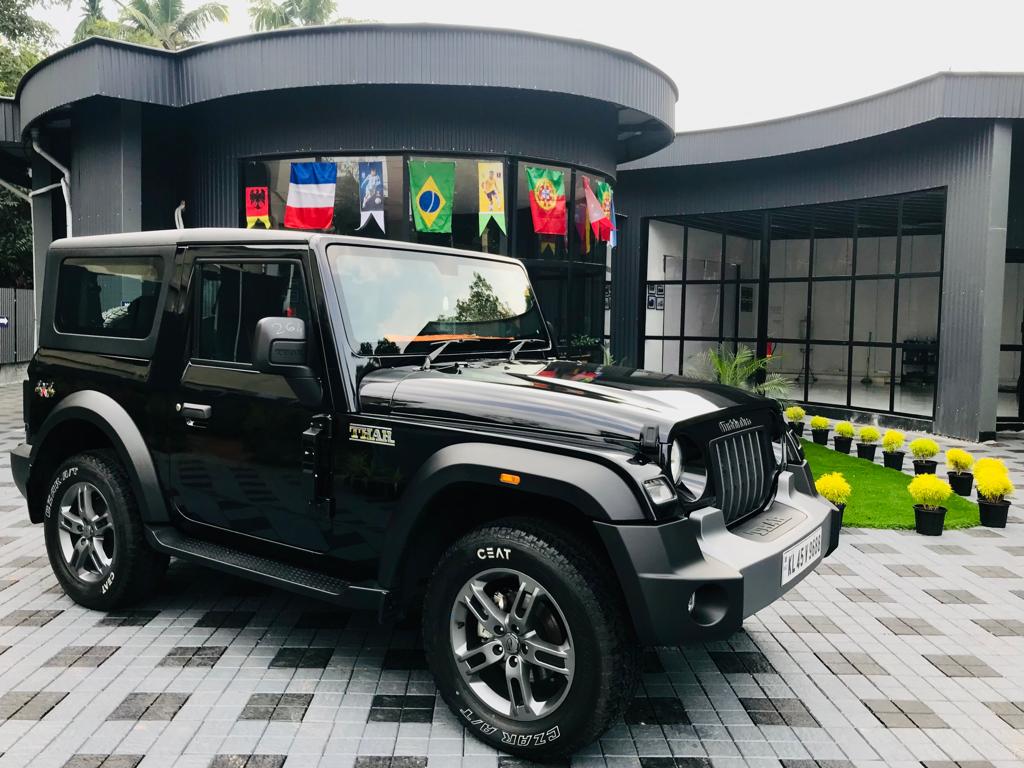
Paint protection film is the most expensive protection you can put on a car, which is exactly why the question deserves a straight answer instead of a sales pitch. Owners across Thrissur ask us this every week, usually right after buying a new car: is PPF genuinely worth the money, or is it something studios push because it pays well? The truth is that PPF is absolutely worth it for some cars and owners, and genuinely not worth it for others. This article tells you which side you are on.
Quick Answer: PPF is worth it if you own a new or premium car, drive regularly on highways where stone chips are a constant risk, and plan to keep the car for several years. It is usually not worth it for older cars with existing paint damage or for cars driven rarely and only in town, where ceramic coating delivers better value. Menora We2 Auto Detailing Studio in Irinjalakuda and Mannuthy, Thrissur offers honest inspections to help you decide.
Paint protection film is a thick, transparent polyurethane layer applied over the car's painted panels. Unlike a coating, which is a chemical layer measured in microns, PPF is a physical barrier with real thickness. It absorbs stone-chip impacts, resists scratches from brushes and branches, and most modern films self-heal, so light swirl marks vanish from the film's surface in the heat of the sun.
That physical nature is the whole point. A ceramic coating protects against chemical attack, UV, salt air, water spots, and bird droppings. It does nothing against a stone flung up by a lorry on the highway. PPF is the only protection that stops that stone from chipping your paint.
When PPF Is Genuinely Worth It
The clearest case is a new car you intend to keep. Film over flawless factory paint preserves it in as-new condition underneath, and years later the film comes off to reveal paint that never met a stone chip. The higher the car's value, the stronger the case, because repainting a premium car's panel costs a large fraction of what PPF would have, and repainted panels never quite match factory finish at resale.
Highway driving multiplies the argument. If your daily route includes NH 544 through Chalakudy, NH 66 near Kodungalloor, or regular long-distance runs, your bonnet and bumper collect chips constantly, and film pays for itself in prevented damage. Dark-coloured cars, where every chip shows white, benefit visibly. So do owners who feel real stress about the first scratch, because peace of mind is a genuine return even if it never shows on a spreadsheet.
When PPF Is Honestly Not Worth It
If your car is several years old with existing chips, swirls, and faded patches, film over that paint locks the damage in rather than protecting anything valuable. The money is better spent on paint correction and a ceramic coating, which will make the car look dramatically better for a fraction of the cost.
If the car rarely leaves town, covers low kilometres, and lives gently between home and office in Irinjalakuda or Thrissur, the stone-chip risk PPF prevents is small, and a coating covers the threats that car actually faces. And if the budget only stretches to a cheap film, skip it entirely; low-grade films yellow, peel at the edges, and can damage paint during removal, which is worse than no film at all.
A middle path many of our customers choose is partial PPF: film on the high-impact zones only, meaning the bonnet, front bumper, mirrors, and headlights, with ceramic coating over the rest of the car. It puts the physical protection exactly where stones actually hit, at a much lower cost than full-body coverage.
PPF or Ceramic Coating: How to Think About It
The two are not competitors; they solve different problems. Coating is chemical armour: UV, water, salt, droppings, easy cleaning, deep gloss. Film is physical armour: chips, scratches, abrasion. A new car driven hard on highways deserves film, often with coating on top for easier cleaning, while a well-kept city car usually needs only the coating. The right answer comes from how the car is used, not from what costs more.
What It Costs, in Honest Terms
Full-body PPF costs several times more than ceramic coating, and that gap is what makes the worth-it question real. The price depends on how much of the car is covered, the grade and thickness of the film, and the complexity of the panels, with partial front-end coverage costing substantially less. We quote only after inspecting the car and understanding how it is driven, because pushing full-body film on someone who needs a bonnet and bumper wrap is exactly the sales pitch this article promised to avoid.
How Long PPF Lasts
A quality film professionally installed lasts five to ten years. Edges and high-wear zones may need attention earlier, and the film's self-healing surface keeps minor marks invisible along the way. When the film has served its life, it peels off cleanly and the paint beneath emerges the way it went in, which is the entire return on the investment.
Mistakes That Waste PPF Money
The costliest mistake is cheap film installed by an untrained hand: dust trapped underneath, stretched corners that lift within months, and adhesive that stains paint on removal. Another is filming over uncorrected paint, sealing swirls under an expensive layer. Skipping aftercare in the first week, while the film settles, causes edge lift. And letting an installer cut film directly on the paint risks blade marks that outlast the film itself.
Living With a Filmed Car
Maintenance is light. Wash normally every one to two weeks with pH-neutral shampoo, avoid high-pressure jets aimed directly at film edges, and remove bird droppings and sap promptly even though the film shrugs them off. An annual inspection at the studio checks the edges and keeps any coating applied over the film performing well.