
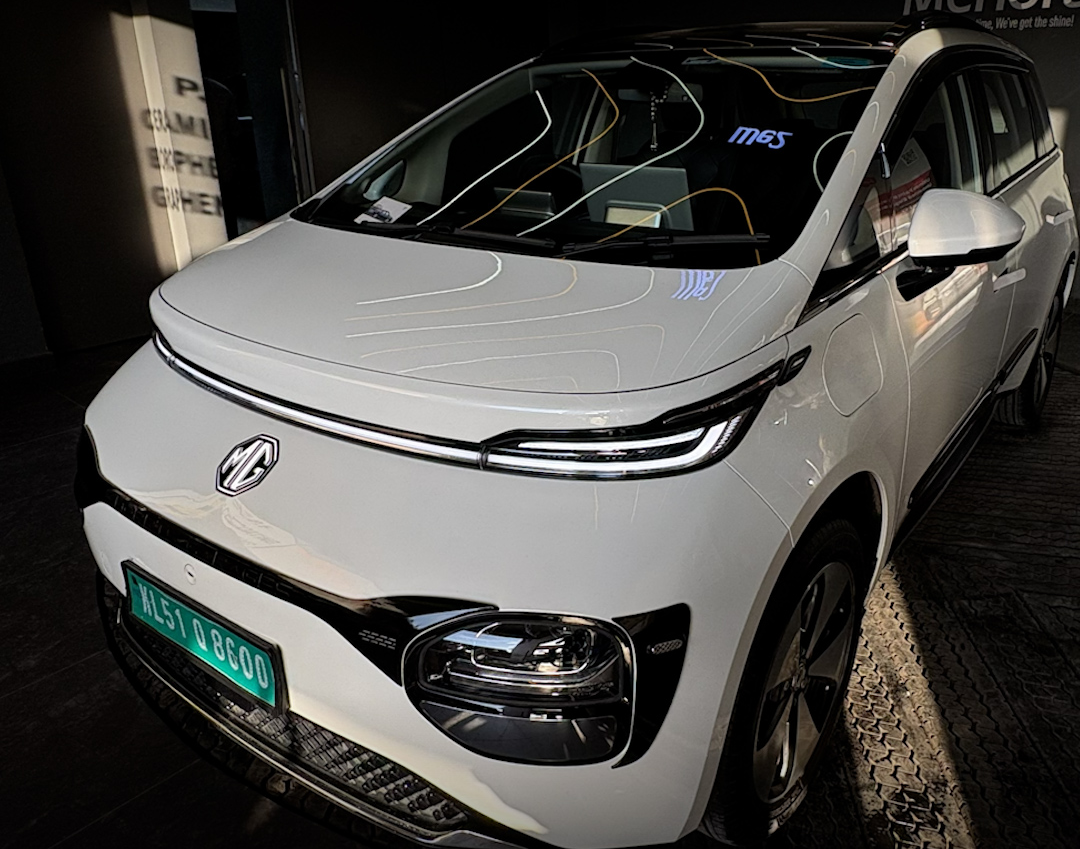
You've just picked up your car after PPF installation, the film looks flawless, and now you're wondering if you're about to undo all of it with your first wash or your first rainy commute through Thrissur. That worry is fair — PPF is only as good as the aftercare behind it, and a few wrong habits in the first weeks can cause lifting, edge peeling, or trapped dirt that a correct routine would have avoided entirely.
What Is PPF Aftercare?
PPF aftercare refers to the specific washing, curing, and maintenance practices that protect a paint protection film installation during its curing period and across its working life. Freshly installed PPF typically needs 5 to 7 days to fully cure and bond to the panel, during which the film is more vulnerable to water intrusion at the edges and pressure-related lifting than it will be once fully set.
Aftercare isn't a one-time step — it covers immediate post-installation care, ongoing wash habits, and how you handle the film's self-healing properties over years of use. Get it right and the film performs to its full 5 to 15 year lifespan; get it wrong and you risk edge lifting, trapped grit under the film, or premature yellowing, none of which are covered under most manufacturer warranties once traced back to improper care.
Why Thrissur and Irinjalakuda Cars Need Careful PPF Aftercare
Kerala's climate makes PPF aftercare more demanding than in drier states. The monsoon brings sustained moisture exposure right at the film's edges — the most vulnerable point for lifting — and the fine laterite dust that settles during and after rain can work its way under film edges if they aren't sealed and cured properly before first exposure.
PPF aftercare in Thrissur also has to account for hard, mineral-heavy borewell water, which is common across the district and can leave mineral deposits on film if cars are washed with it repeatedly without proper rinsing. Owners commuting between Irinjalakuda, Chalakudy, and Guruvayoor on NH544 and NH66 add road grime and stone-chip residue into the mix daily, meaning film edges see more contact stress than a car that's mostly city-driven. Cars parked outdoors in Kunnamkulam or Wadakkanchery's dustier stretches, or in Kodungallur's coastal humidity, need the curing period respected even more strictly, since humidity slows the film's bonding process.
PPF Aftercare Do's and Don'ts — What You Actually Need to Know
Do wait at least 48 hours before washing. The film needs initial set time before it can handle water pressure at the edges — washing too early is one of the most common causes of edge lifting seen in the first month.
Don't use automated brush washes. Rotating brushes catch on film edges and introduce fine swirl marks into the film's clear top-coat, undoing the scratch resistance PPF is meant to provide in the first place.
Do hand-wash with a pH-neutral shampoo. This protects both the film's clear coat and any ceramic coating layered over it, and it's the single habit that most extends how long the film looks new.
Don't use ammonia-based or harsh chemical cleaners. These degrade the film's adhesive and top-coat over time, causing premature yellowing or edge lifting that no amount of correction can fully reverse.
Do rinse off bird droppings, tree sap, and fuel spills promptly. These are acidic or solvent-heavy enough to etch into film if left sitting, especially under Kerala's UV intensity, which accelerates the reaction.
Don't pick at lifted edges yourself. A small lift at a panel edge is a quick professional fix; picking at it or trying to reseal it yourself usually makes the damage worse and can void warranty coverage.
PPF Aftercare vs No Aftercare: The Real Difference
| Factor | With Proper Aftercare | Without Aftercare |
|---|---|---|
| Film lifespan | Reaches full 5–15 year range | Often fails at edges within 1–2 years |
| Edge lifting risk | Low, catchable early | High, especially in monsoon |
| Self-healing performance | Stays effective long-term | Degrades faster with chemical damage |
| Clarity and gloss | Stays clear and glossy | Yellows or hazes prematurely |
| Warranty coverage | Typically honoured | Often voided by improper care |
| Long-term cost | Lower — no early reinstallation | Higher — partial or full reinstallation needed |
The film itself doesn't change based on how you treat it — the physical protection against stone chips works from day one regardless. What proper aftercare protects is everything else: the clarity, the self-healing top-coat, and the warranty that backs the film. Skipping aftercare doesn't undo the impact protection, but it quietly shortens everything else the film is supposed to deliver.
How Long Does PPF Last With Good Aftercare?
Quality PPF typically lasts 5 to 15 years with proper aftercare, while the same film without consistent care can start showing edge lifting or yellowing within 1 to 2 years. The gap between those numbers comes down almost entirely to wash habits and how the curing period was handled.
In Kerala specifically, the monsoon-and-UV cycle repeats every year, so aftercare isn't a one-time effort — it's a routine that needs to hold up across multiple wet and dry seasons. Cars that get periodic professional inspection, where a technician checks edges and reseals any early lifting before it spreads, consistently reach the upper end of the film's rated lifespan compared to cars left unchecked for years at a time.
How Much Does PPF Aftercare Cost in Thrissur?
Routine aftercare itself — correct washing and basic care — costs nothing beyond using the right products, but professional maintenance services like edge resealing, film inspection, or spot correction do carry a service cost. Rather than quote a fixed number here, [INSERT CURRENT VERIFIED PRICE RANGE — e.g. inspection visit, edge reseal, spot correction pricing], since the cost depends entirely on what needs attention.
The more useful comparison is against the cost of neglect — a full or partial PPF reinstallation after edge failure or yellowing costs significantly more than the periodic care or occasional professional check that would have prevented it, on top of losing years of protection you already paid for once.
Why Menora We2 Auto Detailing for PPF Aftercare?
Every PPF installation at Menora We2 comes with a specific aftercare walkthrough before the car leaves the studio, covering the exact curing window, wash timing, and product recommendations for that particular film brand — whether it's Cosmo, Avery Dennison, Garware, Ultraguard, ALP, or Rodim, since cure times and care instructions differ slightly by brand. We also offer periodic inspection where we check film edges for early signs of lifting before they become a bigger issue.
If you're due for a wash and unsure whether your film has fully cured, or you're noticing an edge that looks slightly lifted, a free consultation at either our Thrissur bypass studio or our Irinjalakuda studio is the fastest way to get a straight answer, and we see customers regularly from Chalakudy, Guruvayoor, Kunnamkulam, and Wadakkanchery for the same. The FAQ below covers the questions we get asked most after installation.
Frequently Asked Questions
Q: How soon can I wash my car after PPF installation? A: Wait at least 48 hours before any wash, and ideally the full 5 to 7 day curing window before using anything beyond a gentle hand rinse. Washing too early is one of the most common causes of edge lifting in freshly installed film.
Q: Is PPF aftercare different for a new car versus an older one? A: The core aftercare routine is the same regardless of the car's age, though a brand-new car typically has cleaner, undamaged paint underneath, which means there's less risk of trapped contamination affecting the film's adhesion during installation. New cars getting PPF right away also skip the swirl-mark buildup an older, unprotected car may already have.
Q: What does PPF aftercare not protect against? A: Good aftercare doesn't prevent deep scratches from keys or deliberate damage, and it can't fix a poor initial installation — proper aftercare only protects a correctly installed film from premature failure, not from installation errors made from the start.
Q: Can I use a ceramic spray or wax over my PPF? A: Yes, most PPF is compatible with ceramic top-coats or PPF-safe waxes, which add extra hydrophobic gloss on top of the film, but always confirm compatibility with your installer first since some spray sealants contain solvents that can affect certain film types.
Q: Where can I get PPF aftercare guidance near Irinjalakuda? A: Menora We2 Auto Detailing Studio's Irinjalakuda location on Thekkekkara Road, near Metro Health Care Hospital, provides aftercare walkthroughs and periodic film inspection alongside its Thrissur bypass studio near Plakkat Tyres.
Good PPF aftercare is the difference between film that reaches its full 15-year potential and film that needs partial reinstallation within two years, and the habits that make that difference cost nothing but a little attention. If your film was installed recently or you're not sure your current wash routine is film-safe, now is the easiest time to get it right before a habit becomes a problem. Book a free consultation at Menora We2 Auto Detailing Studio in Thrissur or Irinjalakuda — also serving Chalakudy, Chavakkad, Guruvayoor, Kodungallur, Kunnamkulam, and Wadakkanchery — through our contact page or by visiting either studio directly.