
Introduction
Anyone who's opened a car door in Thrissur after it's spent a few hours parked in direct sun knows the specific kind of heat that greets you, steering wheel too hot to hold comfortably, seatbelt buckle like it's been sitting on a stove, and a blast of trapped air that takes a good minute of the AC running before it's bearable. Kerala's tropical climate makes this a near-daily reality for most car owners, not an occasional inconvenience.
Beyond the discomfort, that heat buildup has real consequences: faster interior material fading, quicker degradation of dashboard plastics, and additional stress on paint and any protective coatings applied to it. This guide walks through practical, genuinely useful ways to reduce heat buildup in your car, what actually works, what's more marginal, and how to think about heat management as part of your overall car care routine in Kerala's climate.
Quick Answer
Reducing car heat in Kerala's climate comes down to a combination of parking choices, window films, interior shading, and protective coatings. Parking in shade remains the single most effective step, followed by quality window film for ongoing heat reduction while driving and parked. Graphene coating's improved heat dissipation and simple habits like cracking windows slightly or using sunshades all contribute meaningfully, though no single product eliminates heat buildup entirely.
1. Why Heat Buildup Is a Genuine Concern in Kerala
Kerala's tropical climate means direct, intense sun for significant portions of the year, even during shorter breaks between monsoon showers. A car parked outdoors for a few hours can see cabin temperatures rise substantially higher than the ambient outside temperature, largely due to the greenhouse effect created by sunlight passing through glass and trapping heat inside.
This isn't just a comfort issue. Sustained heat exposure accelerates the fading and cracking of dashboard and interior trim materials, puts additional stress on paint and protective coatings, and can affect the longevity of interior components like upholstery and electronics over years of repeated exposure.
2. What Actually Causes Cabin Heat Buildup
Sunlight passes through your car's glass relatively easily, but once it's converted to heat energy inside the cabin, much of it struggles to escape back through the glass at the same rate. This trapped heat accumulates in the enclosed space, raising cabin temperature well above the outside air temperature, particularly on darker-colored interiors and dashboards that absorb more heat.
Parking orientation, glass tinting level, and how long the car sits in direct sun all affect how severe this buildup becomes. Even a relatively short parking duration in intense midday sun can create genuinely uncomfortable, and materially damaging, cabin conditions.
3. Parking Strategy: The Most Effective, Free Solution
Before considering any product, parking choice remains the single most effective way to reduce heat buildup, and it costs nothing. Parking in shade, whether under a tree, a covered structure, or simply on the shaded side of a building, meaningfully reduces how much direct sunlight reaches the car's glass and body in the first place.
Where shade isn't available, orienting the car so the windshield faces away from the sun's most direct angle can help reduce some of the heat entering through the largest glass surface. It's a small adjustment, but over repeated daily parking, it adds up.
4. Window Films: What They Actually Do for Heat
Window films work by reducing the amount of solar energy passing through the glass in the first place, rather than trying to cool an already-heated cabin after the fact. Quality films can block a meaningful portion of infrared heat and UV radiation while still maintaining acceptable visibility for safe driving.
Beyond heat reduction, window films also reduce glare, which is a genuine practical benefit during Kerala's intense midday sun or when driving toward low-angle sun during early morning or evening commutes. They additionally help slow the fading of interior materials by reducing UV exposure reaching the dashboard and upholstery directly.
5. Coatings and Heat: Where Graphene Fits In
While ceramic and graphene coatings are primarily paint protection products, graphene's specific material properties bring a secondary benefit relevant to heat: improved thermal conductivity, meaning heat absorbed by the coated surface is generally dissipated more efficiently rather than concentrating and building up.
This doesn't mean graphene coating meaningfully cools your cabin interior, its effect is on the painted exterior surface, not the glass or cabin air directly. But for a car parked outdoors regularly in intense Kerala sun, particularly darker-colored vehicles that absorb more heat through their paint, this heat dissipation property is a genuine, if secondary, advantage over standard ceramic coating.
6. Interior Habits That Help
Using a dashboard sunshade. A simple reflective sunshade placed against the windshield reduces direct sun exposure to the dashboard specifically, one of the most heat-absorbing surfaces in the cabin.
Cracking windows slightly when safely parked. Allowing a small amount of airflow can help some trapped heat escape, though this should only be done where security isn't a concern.
Using seat covers in lighter colors. Darker upholstery absorbs more heat than lighter materials, so lighter-colored seat covers can make a noticeable difference in surface temperature.
Parking with the steering wheel angled away from direct sun. A small habit that reduces how hot the wheel itself gets during peak sun hours.
Running the AC with windows briefly cracked before fully closing up. Allowing the initial blast of superheated air to escape before running the AC on a closed cabin can make the cooling process faster and more comfortable.
7. What Doesn't Help as Much as People Think
Cracking windows as a primary cooling strategy. While it allows some heat to escape, it's a minor effect compared to parking in shade or using proper window film; it shouldn't be relied on as a main solution.
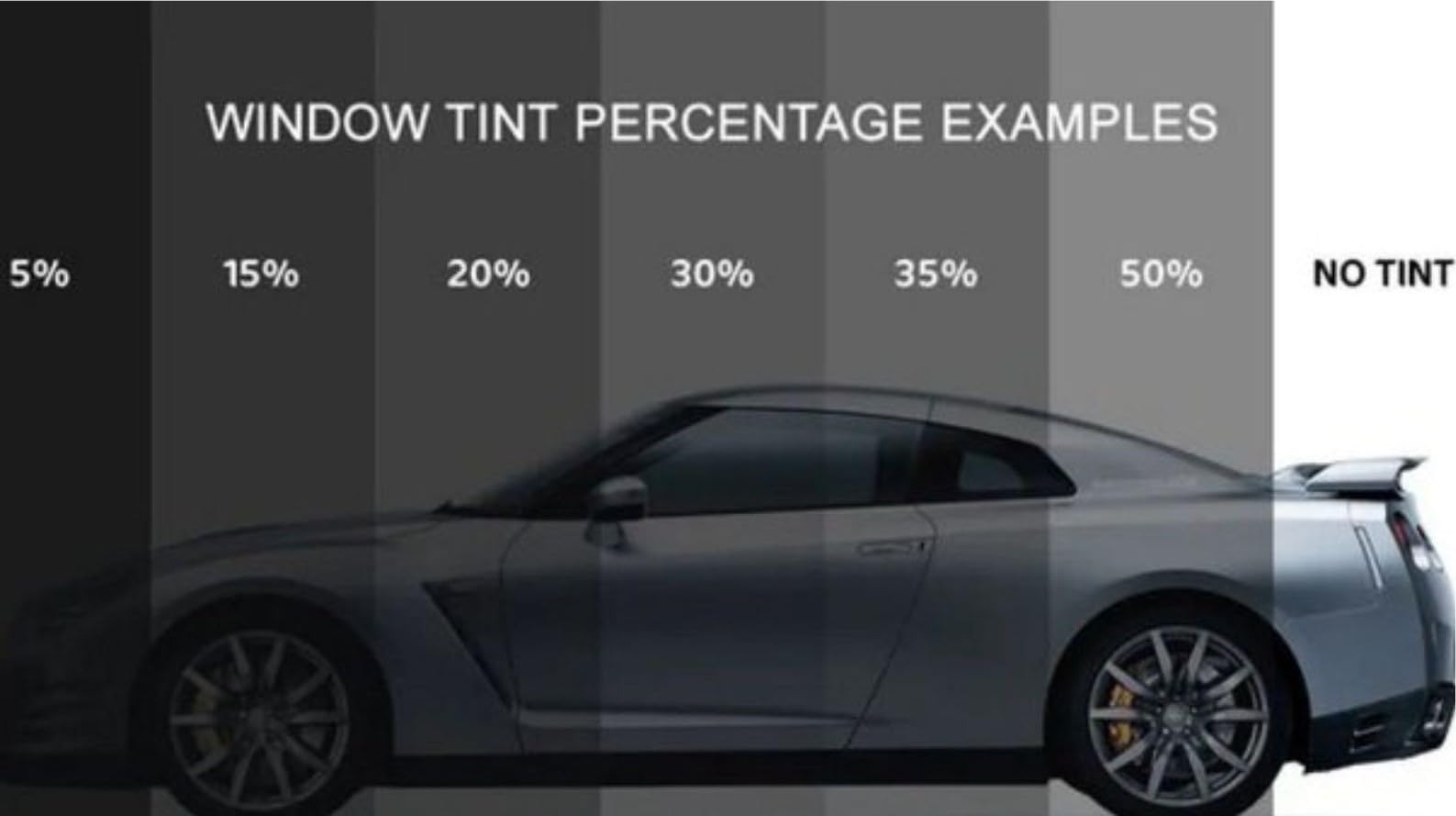
Assuming any tint automatically provides strong heat rejection. Tint darkness and heat rejection performance aren't the same thing; a darker tint doesn't necessarily mean better heat blocking unless the film is specifically engineered for infrared rejection.
Relying solely on AC to manage the problem. Running the AC harder to compensate for a consistently hot cabin puts more strain on the system over time and doesn't address the root cause of heat buildup in the first place.
8. Comparison Table: Heat Mitigation Options
| Option | Cost | Effectiveness | Best For |
|---|---|---|---|
| Shaded parking | Free | High | Every car, every situation where shade is available |
| Quality window film | Moderate | High, ongoing | Daily driving and parking in direct sun |
| Dashboard sunshade | Low | Moderate | Reducing dashboard-specific heat and fading |
| Graphene coating | Higher (paired with paint protection) | Moderate, secondary benefit | Dark-colored cars parked outdoors regularly |
| Cracking windows | Free | Low to moderate | Supplementary habit, not a primary solution |
| Lighter interior materials | Varies | Moderate | New purchases or seat cover upgrades |
9. Benefits of a Proper Heat Mitigation Approach
Reduced interior material degradation. Less UV and heat exposure slows the fading and cracking of dashboard and trim materials over years of ownership.
More comfortable daily driving experience. A cooler cabin at the start of each drive means less time spent waiting for AC to bring the temperature down to comfortable levels.
Reduced strain on paint and coatings. Lower surface heat, particularly relevant with graphene coating's dissipation properties, contributes to more consistent long-term paint condition.
Better fuel or energy efficiency. A cabin that starts closer to ambient temperature requires less AC effort to reach a comfortable level, marginally reducing the associated energy use.
10. Common Mistakes Car Owners Make
Relying entirely on AC without addressing heat buildup at the source. This leads to more strain on the AC system and slower comfort compared to combining it with proper shading and window film.
Choosing window tint based on darkness alone. Darker isn't automatically better for heat rejection; it's worth asking specifically about a film's infrared rejection performance, not just its visual tint level.
Leaving dark-colored interior surfaces uncovered. Darker dashboards and seats absorb more heat, making sunshades and lighter seat covers a worthwhile, low-cost addition.
Ignoring parking orientation entirely. Even without shade available, small adjustments to how the car is angled toward the sun can meaningfully reduce heat exposure.
11. Myths vs Facts
Myth: Cracking your windows is an effective way to keep a parked car cool. Fact: It provides only a minor effect compared to shaded parking or proper window film, and shouldn't be relied on as a primary heat management strategy.
Myth: Darker window tint always means better heat rejection. Fact: Heat rejection depends on the film's specific infrared-blocking technology, not simply how dark the tint appears visually.
Myth: Ceramic or graphene coating significantly cools your car's cabin. Fact: These coatings affect the painted exterior surface and its heat dissipation, not the cabin air temperature directly; window film and shading have a much more direct effect on cabin heat.
Myth: Heat buildup is just a comfort issue, not a real maintenance concern. Fact: Sustained heat exposure accelerates interior material fading and adds stress to paint and coatings over time, making it a genuine long-term car care factor.
12. Kerala-Specific Considerations
Intense tropical sun between monsoon showers. Even during the rainy season, breaks in cloud cover bring intense, direct sun, meaning heat mitigation remains relevant nearly year-round in Kerala, not just during a distinct "summer" period.
High humidity compounds discomfort. Kerala's combination of heat and humidity makes cabin heat buildup feel more oppressive than dry heat of the same temperature, reinforcing the value of proper cooling strategies.
Frequent outdoor parking due to limited covered parking availability. Many car owners in Thrissur and surrounding areas rely on open-air parking regularly, making window film and dashboard shading particularly practical, low-cost additions.
Darker vehicle colors are common and absorb more heat. For owners of darker-colored cars, combining window film with a heat-dissipating coating like graphene offers a more complete approach to managing Kerala's specific heat conditions.
13. Maintenance Tips for Heat-Related Wear
- Inspect dashboard and trim periodically for early signs of fading or cracking, addressing it with appropriate interior conditioning products
- Keep window film clean using products specifically safe for tinted glass, avoiding ammonia-based cleaners that can damage certain films over time
- Park in shade whenever reasonably available, even for shorter stops
- Check that sunshades and interior accessories aren't trapping excess heat against specific surfaces unevenly
- Maintain any ceramic or graphene coating properly, since a well-maintained coating continues performing its heat dissipation and UV resistance functions as intended
14. Frequently Asked Questions
1. What's the single most effective way to reduce heat in my parked car? Parking in shade remains the most effective, cost-free option, meaningfully reducing how much direct sunlight reaches the car in the first place.
2. Does window film actually make a noticeable difference in Kerala's climate? Yes, quality film specifically engineered for heat rejection reduces both cabin heat buildup and glare, both genuinely relevant in Kerala's intense sun.
3. Does graphene coating cool down my car's interior? Not directly, its heat dissipation benefit applies to the painted exterior surface, not cabin air temperature, though it's still a useful secondary benefit for paint condition.
4. Is cracking the windows a good way to keep a parked car cool? It has a minor effect, but it's not a reliable primary strategy compared to shaded parking or quality window film.
5. Does darker window tint mean better heat rejection? Not necessarily, heat rejection depends on the film's specific infrared-blocking technology rather than how dark it appears.
6. Can heat buildup actually damage my car's interior over time? Yes, sustained heat and UV exposure accelerate fading and cracking of dashboard and trim materials over years of repeated exposure.
7. Is it worth combining window film with a heat-dissipating coating? For owners parking frequently in direct sun, particularly with darker-colored cars, combining both addresses heat from different angles, cabin heat via window film and paint surface heat via coating.
8. Does Kerala's monsoon season reduce the need for heat mitigation? Not entirely, since intense sun still occurs between monsoon showers, making heat mitigation relevant across most of the year, not just a distinct dry season.
9. Are dashboard sunshades actually effective, or mostly cosmetic? They're genuinely effective at reducing direct sun exposure to the dashboard specifically, helping slow material fading and reducing surface heat.
10. Should I prioritize window film or a protective coating first for heat concerns? If heat is your primary concern, window film has a more direct effect on cabin temperature; if you're also addressing paint protection, a coating with heat dissipation benefits like graphene adds value alongside it.
15. Final Thoughts
Managing heat in a car parked and driven under Kerala's tropical sun isn't about finding one perfect product, it's about combining a few genuinely effective habits and treatments: smart parking choices, quality window film, sensible interior habits, and, where relevant, a coating that helps your paint handle heat more efficiently. None of these eliminate heat buildup entirely, but together they make a real, noticeable difference to both comfort and the long-term condition of your car's interior and paint.
16. Call to Action
If you're dealing with excessive heat buildup in your car and want to explore window film, graphene coating, or a combined approach suited to Kerala's climate, get in touch with Menora We2 Auto Detailing Studio in Irinjalakuda or Mannuthy. We'll help you put together a practical heat mitigation approach that fits your car and daily parking situation.