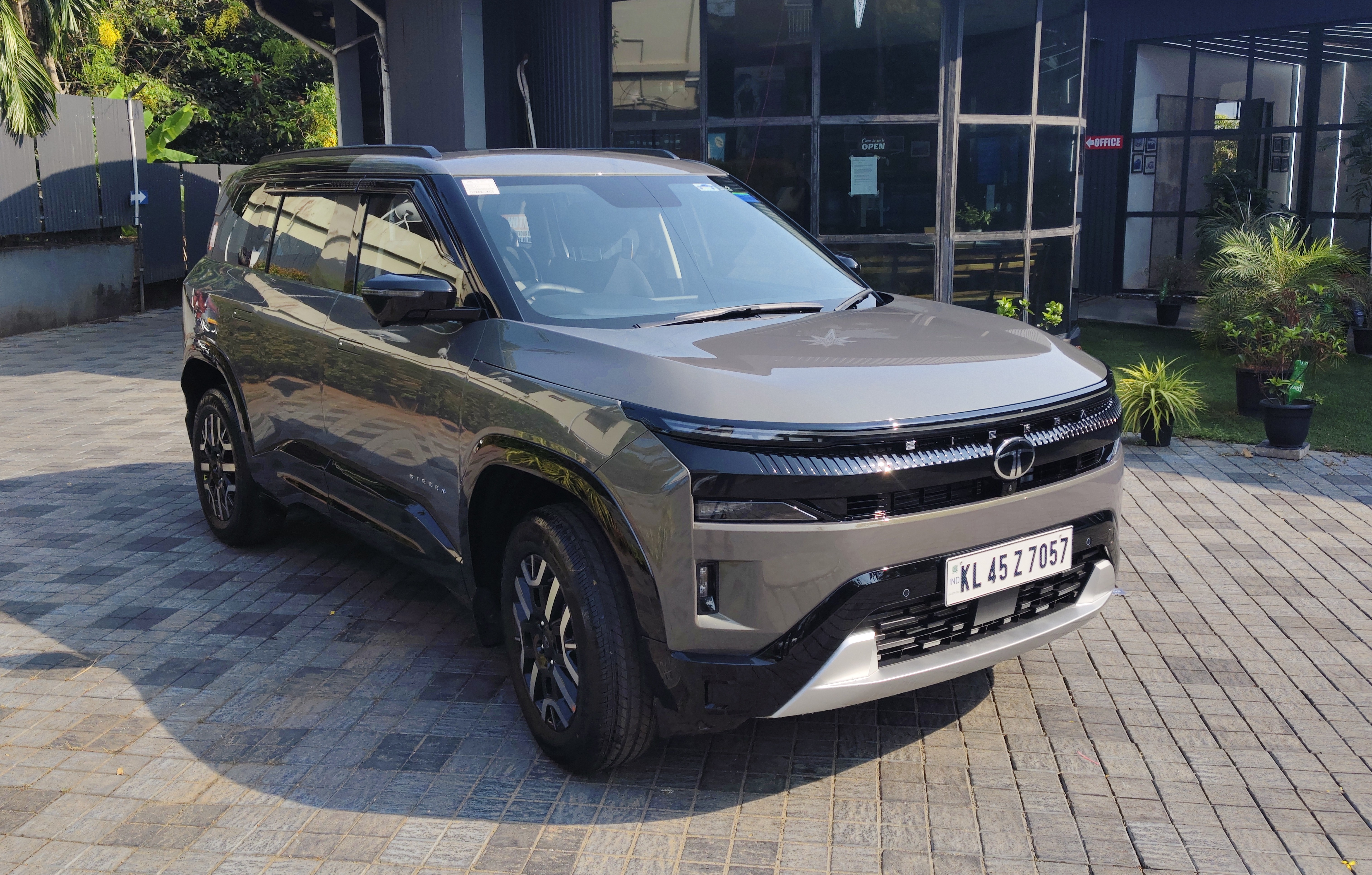
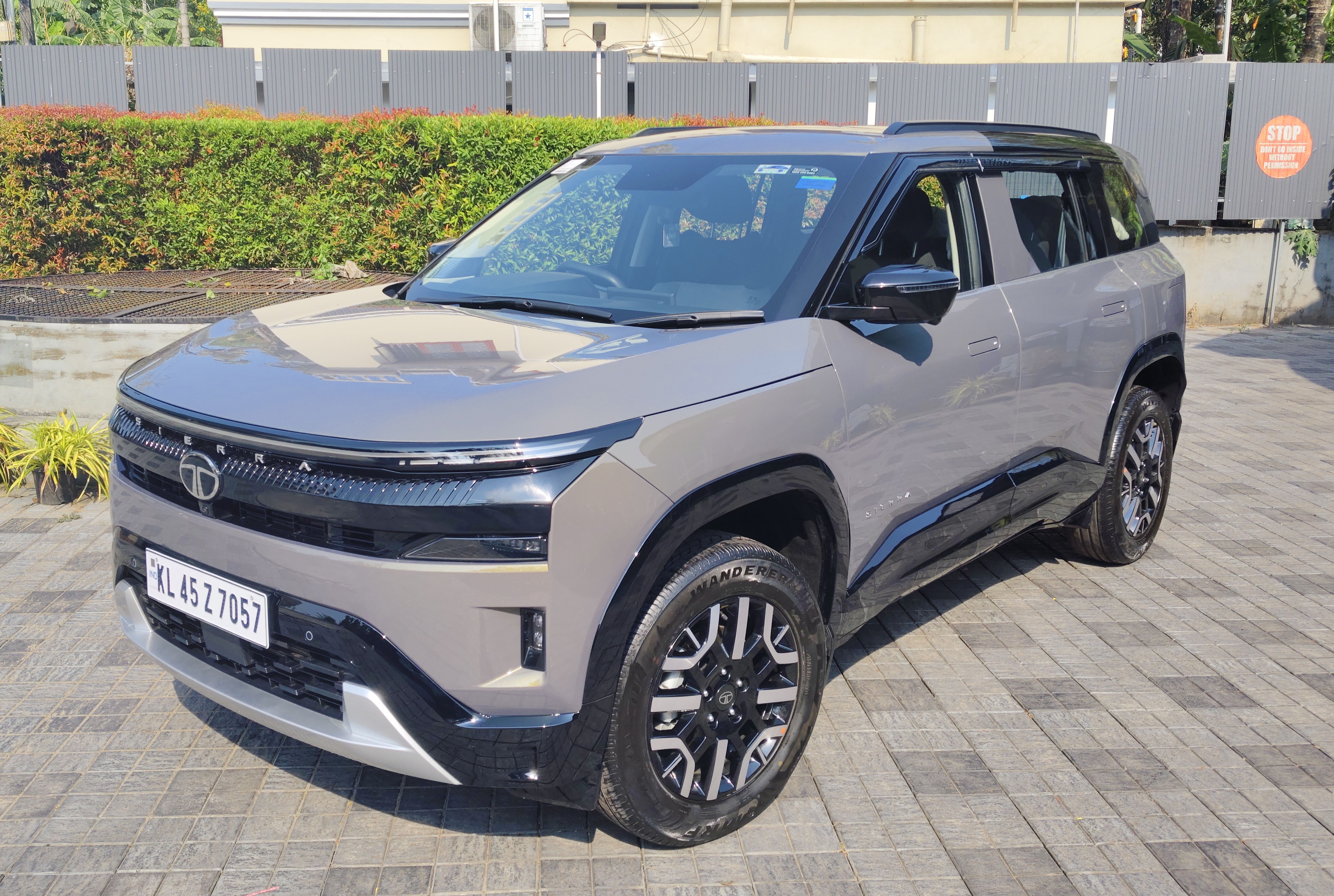
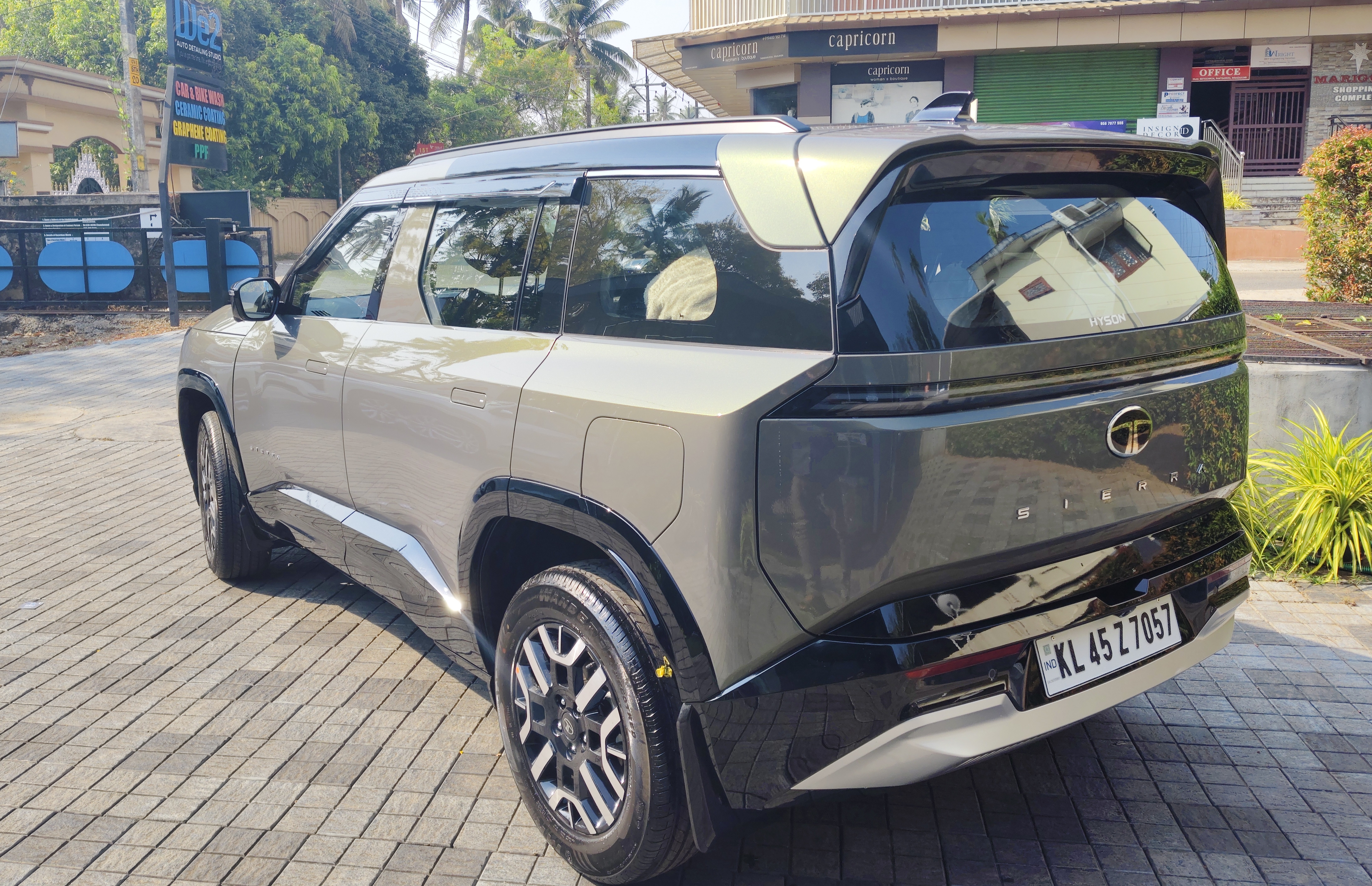
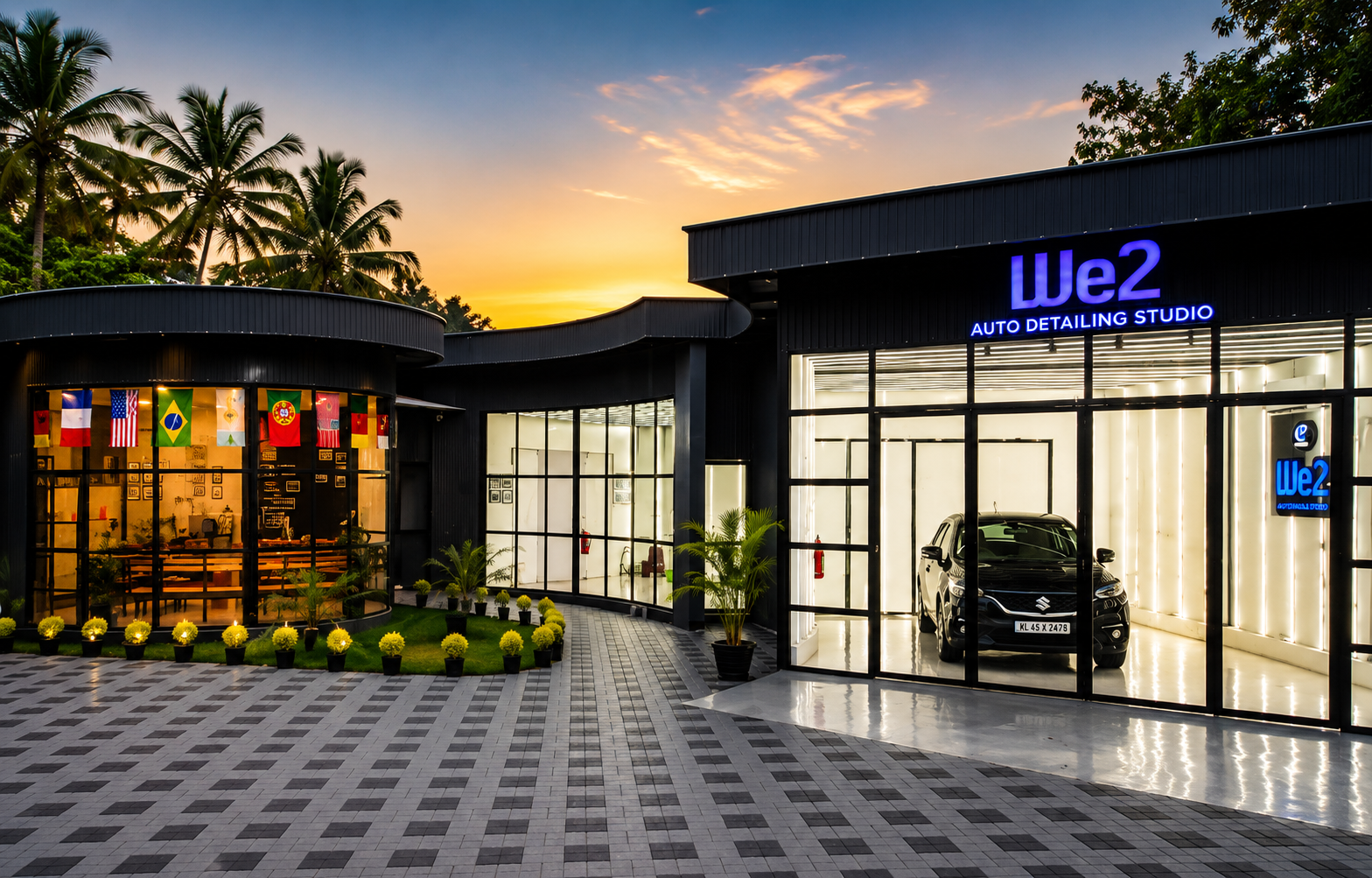
Graphene coating is a ceramic coating infused with graphene — a form of carbon arranged in a single-atom-thick hexagonal lattice, among the strongest materials ever tested. Infusing it into a ceramic matrix produces a bonded layer that is generally harder, more heat-stable, and more water-repellent than a standard SiO2 ceramic coating, while working on the same basic principle: it chemically bonds to the clear coat rather than sitting on top of it.
Menora We2 applies graphene coating at both studios, Irinjalakuda and Thrissur, and offers a free, no-obligation paint inspection before recommending a brand or tier. It's often discussed alongside a full car detailing service, since the coating performs best over paint that's already been properly corrected.
What Is Graphene Coating and How Does It Work?
Once cured, graphene coating forms a hard, bonded layer over the clear coat, the same way ceramic coating does, but with graphene's properties built into that layer. In practical terms, that generally means a higher water contact angle, generally producing stronger water beading and faster water run-off than many conventional ceramic coatings. Graphene also has a notably lower thermal conductivity than typical SiO2 coatings, which is part of why it tends to hold up better under sustained heat than standard ceramic products.
It's worth being precise about durability language here: actual durability depends heavily on the exact product, how the car is maintained, and how it's parked and driven. We'll go through what's realistic for your specific coating choice during the free inspection.
Why Graphene Coating Matters on Thrissur District Roads
The same climate factors that make ceramic coating worthwhile here apply to graphene coating too, often more so. Long monsoon exposure means paint spends extended periods wet and drying under strong sun, which is harder on unprotected paint than steady, moderate weather. Bird droppings and tree sap are common under Thrissur District's tree cover, and both are acidic enough to mark unprotected paint if left sitting in peak summer heat. Graphene's stronger heat-handling is a genuine practical advantage in this climate specifically, since Kerala's combination of intense sun and high humidity is exactly the kind of thermal cycling that separates graphene from standard ceramic coating in real-world use. For more on this, see protecting your car through Kerala's seasons.
Graphene Coating vs. Ceramic Coating vs. PPF
Ceramic coating is a strong, well-established chemical protectant on its own — most cars don't need graphene specifically to get real UV and gloss protection.
Graphene coating builds on the same bonding principle with graphene added to the matrix, generally giving a higher water contact angle, better heat handling, and a deeper, richer visual finish, particularly on dark colours and metallics. It's a genuine upgrade for cars in heavy sun exposure or with high wash frequency, rather than a universal necessity for every vehicle.
Paint protection film is a physical film, not a chemical coating — it's the right tool for stone-chip and scrape protection on high-impact panels like the bonnet and mirrors. Graphene coating and PPF solve different problems and are frequently combined: PPF on the impact zones, graphene coating over the rest of the car.
None of these is a scratch-proof or damage-proof solution. The right combination depends on how and where the car is actually driven, which is exactly what the free inspection below is for.
What Graphene Coating Delivers
A deeper, richer visual finish. Graphene fills microscopic surface irregularities and builds an ultra-reflective base, so dark colours read as deeper and metallics show more clarity.
Dust repulsion between washes. Graphene's mild electrical conductivity gives the surface a light anti-static quality, so dry dust is less likely to cling to a warm bonnet or roof.
A self-cleaning effect in rain. The high water contact angle means rain runs off in sheets rather than sitting, carrying loose dust and light dirt with it as it goes.
Faster, safer washing. Because contamination doesn't grip the surface as tightly, routine washing needs less effort, which also lowers the risk of new swirl marks from scrubbing.
A genuine resale talking point. Where applicable, manufacturer warranty documentation is provided with the coating, and a documented, professionally applied graphene coating is a reasonable thing to point to at resale.
What Graphene Coating Can't Do
Graphene coating is a chemical and UV protectant, not a physical shield — it won't stop a stone chip, a car park scrape, or a scratch from a careless wash, and it isn't scratch-proof or damage-proof despite the added hardness. For that kind of impact protection on high-risk panels, paint protection film is the right tool, often used alongside graphene coating rather than instead of it. It also isn't maintenance-free — it still needs periodic care, and paint that already has swirl marks or contamination needs correction first, since coating over uncorrected paint just seals the defects in.
Our Application Process
Every job starts with a paint condition assessment under proper lighting, using a digital paint thickness gauge alongside a visual check for scratches, swirls, oxidation, stone chips, and any previous coatings — we walk you through what we find before deciding on next steps.
From there: a touchless, pH-neutral foam pre-wash, followed by a two-part decontamination (a chemical iron remover for brake dust, then a clay bar pass for embedded microscopic contamination). Paint correction follows where the car needs it, using rotary and dual-action polishers matched to the paint's condition and to what you've agreed on for the job.
Before coating, every panel is wiped down with an isopropyl alcohol solution and a dedicated prep spray to strip any remaining polishing oils — a clinically clean surface is what the coating actually bonds to. The graphene coating itself is applied panel by panel with dedicated applicator cloths in a controlled bay, then cured using short-wave infrared lamps to accelerate hardening, before a final multi-angle inspection under proper lighting.
Graphene Coating Aftercare
Use a pH-neutral automotive shampoo only — avoid dish soap and household detergents, which are alkaline and degrade the coating over time.
Stick to the two-bucket method — one bucket of soapy water, one of plain rinse water — to avoid dragging grit back across the coated surface.
Dry with a clean, high-GSM microfibre towel or a car blower rather than a reused cloth or chamois.
During the pre-monsoon months (roughly March–May), rinse the car every couple of days even between full washes, since dry contamination on a hot surface can still mark a coating if left too long.
Bring the car back for a decontamination service roughly every 8–12 months — a chemical iron-fallout wash plus a graphene booster spray keeps performance consistent over time.
Graphene Coating Brands Available at Menora We2
We work with two graphene coating products, matched to different driving conditions and priorities rather than treating every car the same.
Symplex is our usual recommendation for cars and SUVs covering heavy daily mileage. It's built around hardness and chemical resistance, and in our experience handles acidic rain, bird droppings, and industrial fallout better than most products we've used, holding its hydrophobic performance well over time. It's a strong fit for daily drivers covering long distances around Thrissur and Chalakudy. In our field experience, Symplex-coated cars typically hold their protection for around 4–5 years — this is our own observed protection period based on how the product performs on the cars we treat, not a manufacturer-published warranty term.
Garware is what we recommend most often for cars facing a full Kerala monsoon season. Its nano-technology base gives it flexibility to handle thermal cycling without micro-cracking, and it holds up reliably through the wet months. Garware's own published specifications confirm 7–9H hardness and a 118–121° water contact angle. In our field experience, Garware-coated cars typically hold their protection for around 3–4 years — again, this is our own observed protection period, not a duration published by Garware itself.
None of these two is universally "the best" — the right one depends on your car, how it's driven and parked, and your priorities around protection and maintenance. That's what the free inspection below is for.
Free Paint Inspection
We offer a free, no-obligation paint inspection at both the Irinjalakuda and Thrissur studios: a senior technician examines the car, talks through your goals and driving habits, and gives you a transparent recommendation before any work begins. If stone-chip protection on specific panels is also a priority, we're happy to discuss combining graphene coating with paint protection film for complete front-end coverage.
Why Choose Menora We2 Auto Detailing Studio
We work in dust-managed application bays with in-house trained technicians, and every job includes a transparent walkthrough of the car's actual paint condition before we recommend anything. Where applicable, manufacturer warranty documentation is provided with the coating you choose, and we'll talk you through realistic expectations for durability and upkeep rather than defaulting to one option regardless of fit.
What is graphene coating? A ceramic coating infused with graphene, a single-atom-thick carbon lattice. It chemically bonds to the clear coat like standard ceramic coating, but generally with a higher water contact angle, better heat handling, and a deeper visual finish.
Is graphene coating better than ceramic coating? It's generally a step up in hydrophobic performance and heat resistance, and often gives a richer visual finish. Whether it's worth the difference over standard ceramic coating depends on your car's exposure to sun and heat and how much you value the finish — we'll talk through this during the free inspection.
How long does graphene coating last? How long the coating remains effective depends on the exact product, preparation, application, maintenance and how the vehicle is used and parked. For the Symplex and Garware products we use, we'll explain the realistic protection expectations for your selected coating during the free inspection.
Which graphene coating brands do you offer? Two: Symplex and Garware. Which one we recommend depends on your car, your driving conditions, and whether durability or monsoon resilience matters more to you.
Does graphene coating prevent stone chips or scratches? No. It's a chemical and UV protectant, not a physical shield — it won't stop a stone chip, a scrape, or a scratch. For that kind of impact protection, paint protection film is the right tool, often combined with graphene coating rather than used instead of it.
What's the difference between graphene coating and PPF? Graphene coating is a chemical layer that protects against UV, oxidation, and water damage while improving gloss and washability. PPF is a physical film that absorbs impact damage on high-risk panels. They solve different problems and are frequently used together.
Do I need paint correction before graphene coating? If the paint has swirl marks, light scratches, or oxidation, yes — coating over uncorrected paint just seals those defects in rather than fixing them. We check this during the free inspection.
Does graphene coating come with a warranty? Where applicable, manufacturer warranty documentation is provided with the coating and installation. Exact terms vary by brand and product, so we'll confirm what applies to your specific choice at the time of booking.
Can graphene coating and PPF be combined? Yes — it's a common combination. PPF goes on the panels that take the most physical impact (bonnet, front bumper, mirrors), and graphene coating covers the rest of the car for chemical and UV protection.
Is graphene coating right for my car compared with ceramic coating? That depends on the vehicle's exposure to sun and heat, how it is maintained, and the finish and protection characteristics you want. For some cars, standard ceramic coating may already provide what is needed; for others, graphene can be a suitable upgrade. We'll give you an honest recommendation during the free inspection.
Which graphene coating do you recommend for Kerala's monsoon? Garware is one of the options we recommend for vehicles that go through a full monsoon season, based on our experience with the coating's performance in wet conditions and thermal cycling. The right choice still depends on the vehicle and how it is used.
Schedule Your Free Paint Inspection
If you want an honest read on whether graphene coating is the right upgrade for your car, bring it in for a free inspection at either studio.
Irinjalakuda: Thekkekkara Road, near Metro Health Care Hospital, Irinjalakuda, Kerala 680121 — +91 83048 02244 Thrissur: Bypass Road, near Plakkat Tyres, Indira Nagar, Mannuthy, Thrissur, Kerala 680751 — +91 94465 70800
Open Monday to Saturday, 9:30 AM–6:30 PM. Closed on Sundays.