Introduction
Every car owner in Irinjalakuda has, at some point, typed "best car detailing near me" into Google and landed on a dozen pages that all say roughly the same thing: premium service, expert technicians, guaranteed satisfaction. None of it tells you what actually separates a genuinely good detailing job from one that just looks good in the "after" photo taken in perfect lighting.
I've spent years working directly with vehicles across Kerala's specific mix of monsoon humidity, coastal air, dust, and heat, and if there's one thing that consistently surprises car owners, it's how much detailing quality varies even when the price tag looks similar. Two shops can both call their service "full detailing," and one will fix your paint's actual condition while the other just makes it shiny for a week.
This guide walks through what car detailing actually involves, step by step, what "best" should genuinely mean when you're evaluating a shop in Irinjalakuda, and how to tell real expertise from a rushed job dressed up with a good final polish.
Quick Answer
The best car detailing in Irinjalakuda isn't defined by how shiny a car looks right after pickup, it's defined by process: proper paint correction before any protective coating, thorough interior restoration beyond a surface wipe, and technicians who explain what your car's paint condition actually needs instead of upselling a generic package. Genuine detailing addresses the condition of the car, not just its appearance for a day.
1. What Car Detailing Actually Means
Car detailing is a deep, comprehensive restoration and protection process for both the exterior and interior of a vehicle, going well beyond the surface-level cleaning of a routine wash. Where a wash removes dust and dirt, detailing addresses the actual condition of the paint, upholstery, and mechanical surfaces underneath that surface layer of grime.
At its core, detailing involves paint correction to remove swirl marks and oxidation, deep interior cleaning that reaches fabric and crevices a vacuum alone can't touch, and, in many cases, the application of a protective layer like wax, sealant, or a longer-lasting coating. It's less about making a car look wet and shiny for an afternoon, and more about restoring and preserving the actual condition of the vehicle.
2. Car Wash vs Car Detailing: Why the Confusion Costs Owners Money
This is one of the most common points of confusion, and it genuinely costs car owners money when they don't understand the distinction.
A car wash is routine exterior (and sometimes light interior) cleaning. It removes surface dirt, dust, and grime, but it doesn't fix existing paint imperfections, and it isn't designed to restore condition, only maintain cleanliness between deeper services.
Car detailing is a periodic, intensive process. It includes correction work on the paint itself, deep interior restoration, and often protective treatments. It's not something you need weekly, but it's what actually determines how your car's condition holds up over years, not just how it looks after a Sunday wash.
If you're expecting wash-level pricing to deliver detailing-level results, or expecting a quick wash to fix visible swirl marks, that mismatch in expectations is usually where disappointment comes from. Our car and bike wash service and our full car detailing service are genuinely different offerings, built for different needs.
3. The Core Stages of a Proper Detailing Job
A legitimate detailing process generally follows this sequence, and skipping any of these stages is usually where quality gets compromised:
Pre-wash and decontamination — removing surface dirt, tar, and embedded iron particles before any correction work begins
Clay bar treatment — lifting bonded contaminants that a regular wash can't remove, leaving the paint genuinely smooth to the touch
Paint inspection — assessing swirl marks, oxidation, and scratch depth under proper lighting
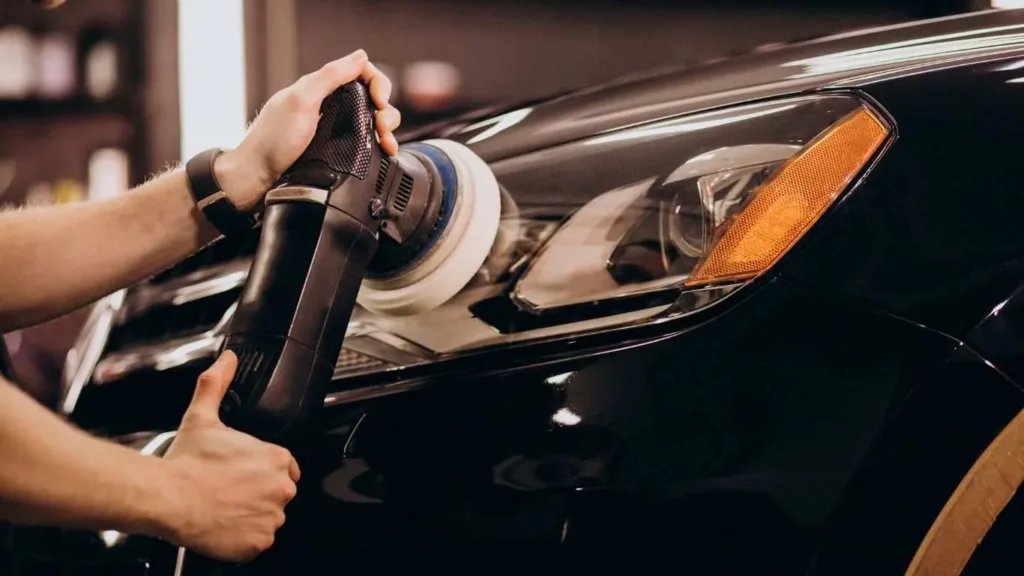
Paint correction (polishing) — machine polishing to remove or reduce surface imperfections
Interior deep clean — vacuuming, upholstery treatment, dashboard and panel care, glass cleaning
Protective application — wax, sealant, ceramic coating, graphene coating, or PPF, depending on what the owner chooses
Final inspection and finishing touches — tyre dressing, trim restoration, and a last check under proper light
A shop that jumps straight from wash to polish, skipping decontamination and proper inspection, is cutting corners that show up later as inconsistent results or trapped contaminants under the final finish.
4. Exterior Detailing: What It Should Actually Include
Exterior detailing goes well beyond washing the car. It should include:
Decontamination, removing embedded brake dust and industrial fallout that a hose and shampoo can't lift on their own
Paint correction, addressing swirl marks, light scratches, and oxidation through controlled machine polishing
Trim and plastic restoration, since faded exterior trim is a common giveaway of an aging, unmaintained car
Glass and mirror detailing, going beyond a quick wipe to remove streaking and water spot buildup
Wheel and tyre detailing, including deep cleaning of brake dust buildup that regular washing often misses
Our exterior detailing work is built around this full sequence, not just a faster version of a car wash.
5. Interior Detailing: The Part Most Shops Rush
Interior detailing is frequently where corners get cut, mostly because the results are less visually dramatic in a quick "before and after" photo than a glossy exterior. But interior condition affects daily comfort and long-term resale value just as much as paint condition does.
A proper interior detail should include:
Deep vacuuming that reaches under seats and into footwells, not just visible carpet
Upholstery cleaning appropriate to material, fabric, leather, or leatherette each need different treatment
Dashboard, console, and door panel conditioning
AC vent cleaning, since dust accumulation here directly affects cabin air quality
Odor treatment where needed, particularly relevant during Kerala's humid monsoon months when musty smells build up faster
Interior glass cleaning, which typically shows more streaking than exterior glass
Our interior detailing service treats this as a full stage of the process, not an afterthought tacked onto the end of an exterior job.
6. Paint Correction: The Step That Determines Everything After It
Paint correction is arguably the most important stage in the entire detailing process, and it's also the one most frequently skipped or rushed by lower-quality shops, because it's the most time-consuming and skill-dependent step.
Paint correction uses controlled machine polishing to remove or significantly reduce swirl marks, light scratches, water spot etching, and oxidation from the clear coat. It doesn't add anything to the paint, it removes a microscopic layer of clear coat to level out the surface, revealing a smoother, glossier finish underneath.
This matters enormously if you're planning any protective coating afterward. Applying ceramic coating or graphene coating over uncorrected paint locks in every existing swirl mark and imperfection permanently underneath a hard protective layer that's difficult to remove later. A shop that skips correction and goes straight to coating application is setting the car up for a disappointing result the moment sunlight hits the surface.
7. Protective Coatings: Ceramic, Graphene, and PPF Explained
Once paint correction is done, detailing often moves into protective territory. Menora We2 offers several options here, and understanding the difference helps you choose the right one for your car:
Ceramic Coating — a liquid polymer that chemically bonds to the clear coat, adding gloss, hydrophobic water beading, and easier long-term cleaning. Explore our ceramic coating service for full details.
Graphene Coating — a newer formula that incorporates graphene into the coating base, generally associated with added heat resistance alongside similar gloss and hydrophobic benefits. See our graphene coating service.
Borophene Coating — part of Menora We2's advanced protective coating range, offered alongside ceramic and graphene options for owners looking for the latest coating technology available.
Paint Protection Film (PPF) — a physical, thick film applied over the paint that absorbs impacts and resists chips and scratches, offering protection that no liquid coating can provide on its own. Our PPF service is often paired with a ceramic topcoat for owners wanting both physical and chemical protection.
Choosing between these depends on your priorities: gloss and easy maintenance versus physical impact resistance, or a combination of both.
8. What "Best" Should Actually Mean When Choosing a Detailing Shop
"Best" shouldn't mean the shop with the most reviews or the flashiest signage. When you're actually evaluating detailing quality, look for:
Transparency about paint condition. A trustworthy detailer tells you honestly what your car's paint needs, not just what package to upsell.
Proper correction before coating. If a shop offers to apply ceramic coating without inspecting or correcting the paint first, that's a red flag.
Attention to less visible areas. Door jambs, wheel wells, and the underside of the car reveal a lot about how thorough a shop actually is.
Clear explanation of process and timeline. Genuine detailing takes real time; a same-day "full detail" completed in an hour usually means steps were skipped.
Willingness to show before-and-after results under proper lighting, not just filtered photos.
9. Benefits of Proper Detailing
Restores actual paint condition, not just surface appearance, addressing swirl marks and oxidation rather than masking them temporarily.
Extends the life of your car's paint, since correction and protective coatings slow down long-term environmental damage.
Improves resale value, as a car with well-maintained paint and interior condition consistently presents better to potential buyers.
Protects your investment in ceramic coating or PPF, since these products perform best when applied over properly corrected, well-prepared paint.
Improves daily driving experience, particularly with proper interior detailing addressing air quality, comfort, and cleanliness that a vacuum alone can't achieve.
10. Common Mistakes Car Owners Make
Choosing based on price without understanding what's included. A cheaper "full detail" that skips decontamination or correction isn't actually the same service as a thorough one, even if both are labeled identically.
Applying ceramic coating over uncorrected paint. This is one of the most common and costly mistakes, locking existing imperfections under a hard layer that's genuinely difficult to remove afterward.
Assuming detailing is a one-time service. Paint and interior condition need periodic attention; a single detailing session doesn't protect a car indefinitely without any follow-up care.
Neglecting interior detailing entirely. Many owners focus exclusively on exterior gloss and treat interior condition as optional, despite it affecting daily comfort and resale value just as much.
Not asking what process is actually included. "Full detailing" means different things at different shops; assuming it includes correction, decontamination, and interior work without confirming can lead to disappointment.
11. Myths vs Facts
Myth: Detailing and washing are basically the same thing, just different names. Fact: Washing maintains surface cleanliness; detailing restores and corrects the actual condition of paint and interior, addressing problems a wash can't touch.
Myth: A "full detail" always includes paint correction. Fact: Many shops label basic wash-and-wax packages as "full detailing." Genuine correction work should be confirmed explicitly, not assumed.
Myth: Detailing is only worth it for new or expensive cars. Fact: Detailing benefits any car's condition and resale value, and it's often even more valuable on older vehicles where paint and interior condition have accumulated more wear.
Myth: Once you've detailed your car, it doesn't need attention again for years. Fact: Detailing addresses current condition; ongoing maintenance and periodic follow-up detailing are what actually preserve results long-term.
Myth: Interior detailing is just a deeper vacuum. Fact: Genuine interior detailing includes material-specific upholstery treatment, vent cleaning, and conditioning that goes well beyond vacuuming alone.
12. Comparison Table: Detailing Package Levels
| Stage Included | Basic Wash | Standard Detail | Full Detail with Coating |
|---|---|---|---|
| Exterior wash | Yes | Yes | Yes |
| Decontamination (clay treatment) | No | Sometimes | Yes |
| Paint correction | No | Light polishing | Full correction |
| Interior vacuum | Basic | Yes | Yes, deep clean |
| Upholstery / material-specific care | No | Sometimes | Yes |
| AC vent and crevice cleaning | No | Sometimes | Yes |
| Protective coating (wax/sealant/ceramic) | No | Sometimes wax | Ceramic, graphene, or PPF option |
| Wheel and tyre detailing | Basic rinse | Deeper cleaning | Full detailing |
| Best suited for | Routine upkeep | Periodic refresh | Restoring and protecting condition long-term |
13. Kerala-Specific Considerations for Detailing
Monsoon-driven paint stress. Thrissur's extended rainy season means paint deals with constant moisture exposure, which is exactly where correction followed by a hydrophobic coating like ceramic coating makes a genuine difference in resisting water spotting.
Humidity and interior odor. High humidity accelerates musty smells and mildew risk inside the cabin if interior detailing and proper drying aren't part of regular maintenance.
Dust from ongoing construction. Road work and construction activity around Irinjalakuda contribute fine dust that settles into paint texture, making decontamination a genuinely important stage rather than an optional upsell.
Narrow roads and vegetation. Estate roads and residential lanes lined with hedges and gates around Thrissur district contribute to fine scratching over time, which is part of why paint correction is rarely a one-time need.
Sun and UV exposure. Even with Kerala's frequent rain, direct tropical sun between showers accelerates oxidation and fading on unprotected paint, reinforcing the value of UV-resistant coatings.
14. Maintenance Tips After Detailing
Avoid washing the car for the first few days after coating application, allowing proper curing time
Use pH-neutral car shampoo going forward; harsh detergents strip protective coatings faster
Avoid automated brush washes, which introduce fine scratches, particularly damaging on freshly corrected or coated paint
Wipe up bird droppings and tree sap promptly, even with a coating applied, since prolonged contact can still cause etching
Schedule periodic interior refreshers between full detailing sessions, especially during monsoon months
Park in shade where possible to reduce cumulative UV stress on both paint and interior materials
15. Questions to Ask Before Booking
A few direct questions can reveal a lot about a shop's actual process:
Does your detailing package include decontamination and clay treatment, or just a wash and polish?
Will you inspect and correct the paint before applying any coating?
What products do you use on interior materials like leather or fabric?
How long does your full detailing process typically take?
Can I see examples of correction work under direct light, not just filtered photos?
16. Frequently Asked Questions
1. How often should I get my car detailed? This depends on driving conditions and how the car is maintained day to day, but many owners find a periodic schedule, spaced out through the year, works well alongside regular washing in between.
2. Is car detailing worth it for an older vehicle? Yes, older vehicles often benefit the most, since accumulated swirl marks, oxidation, and interior wear respond well to proper correction and restoration work.
3. What's the difference between wax and ceramic coating? Wax offers a temporary layer of shine and light protection that wears off within weeks, while ceramic coating chemically bonds to the clear coat for a significantly longer-lasting result.
4. Does paint correction remove all scratches? Light to moderate swirl marks and scratches can typically be corrected; very deep scratches that have gone through the clear coat into the base coat generally cannot be fully removed through polishing alone.
5. How long does a full detailing session take? A thorough job, including decontamination, correction, interior work, and coating application if included, typically takes considerably longer than a same-day wash-and-polish service.
6. Can detailing help before I sell my car? Yes, a well-detailed car, both exterior and interior, generally presents significantly better to potential buyers than one that's only been routinely washed.
7. Is ceramic coating included in standard detailing? Not usually; ceramic coating is typically offered as an additional protective service on top of core detailing and correction work.
8. Will detailing fix bad odors inside my car? Interior detailing addresses many common odor sources, including upholstery buildup and AC vent dust, though persistent odors from deeper issues may need additional attention.
9. Do I need paint correction if my car is relatively new? Even newer cars can develop swirl marks from washing, transport, or dealership handling, so a light correction is often still worthwhile before applying any coating.
10. How do I know if a detailing shop is actually doing correction work, not just polishing for shine? Ask to see the paint under direct light before and after; genuine correction visibly reduces swirl marks and scratch patterns, not just adds temporary gloss.
11. Can I request only interior detailing without exterior work? Yes, interior and exterior detailing are generally offered as separate services, so you can focus on whichever your car needs most.
12. Does detailing help protect against Kerala's monsoon conditions specifically? Yes, particularly when correction is paired with a hydrophobic coating, which directly helps resist water spotting and reduces how much grime clings to the surface during heavy rain.
13. Is it normal for detailing prices to vary significantly between shops? Yes, and this usually reflects real differences in process, product quality, and time spent, rather than pure profit margin; it's worth understanding what's actually included before comparing price alone.
14. How soon can I wash my car after a full detail with coating? It's generally best to avoid washing for the first several days to allow the coating to properly cure, though your detailer should confirm the specific timeline for the product used.
17. Final Thoughts
The best car detailing in Irinjalakuda isn't about finding the shop with the shiniest before-and-after photos online. It's about finding one that treats detailing as a genuine restoration process, decontamination, honest paint inspection, proper correction, thorough interior work, and protective coatings applied the right way, not skipped or rushed to save time.
A car that's been properly detailed doesn't just look good the day you pick it up. It holds that condition for months afterward, because the work addressed the actual state of the paint and interior, not just its appearance under good lighting.
18. Call to Action
If you're looking for genuine car detailing in Irinjalakuda that goes beyond a quick polish, from proper paint correction to full interior restoration and protective coatings like ceramic, graphene, or PPF, get in touch with Menora We2 Auto Detailing Studio on Thekkekkara Road, near Metro Health Care Hospital, Irinjalakuda, or call +91 83048 02244 to discuss what your car actually needs.