Introduction
Most damage to a car's paint doesn't happen in a dramatic moment, a stone chip on the highway, a scrape against a gate post. It happens quietly, week after week, through small mistakes made during routine care that owners assume are harmless. A wrong towel, a rushed wash, a coating applied over paint that should have been corrected first, none of it looks like damage in the moment. It just adds up.
We see this constantly at the studio: cars that have never been in an accident but have paint condition that looks years older than it should, simply because of small, repeated mistakes in how they've been washed, coated, or maintained. The frustrating part is that almost all of it is avoidable once you know what to actually watch for.
This guide walks through the most common car detailing mistakes, the ones that happen at home, at rushed car washes, and even at detailing shops that cut corners, so you know exactly what to avoid and why it matters.
Quick Answer
The most damaging car detailing mistakes include washing with dish soap or a single dirty bucket, using automated brush washes, skipping paint correction before applying a coating, air-drying in direct sunlight, and neglecting less visible areas like wheel wells and door jambs. Most paint damage from detailing isn't caused by one big error, it's the result of small, repeated mistakes made during routine care.
1. Why Small Mistakes Cause the Most Damage
Paint damage from detailing is almost never sudden. It builds gradually through repeated contact, wrong products, and skipped steps, until one day the swirl marks are visible under direct sunlight and the owner has no idea where they came from.
This is exactly why detailing mistakes are so easy to overlook. Nothing looks wrong immediately after a rushed wash or a coating applied over unprepared paint. The consequences show up months later, by which point the habit causing them has usually been repeated dozens of times.
2. Washing Mistakes That Quietly Damage Paint
Using a single bucket for the entire wash. Dirt picked up from the lower, dirtiest panels gets reapplied to the rest of the car with every dip of the sponge, effectively grinding grit into the paint.
Reusing the same tool on wheels and paint. Brake dust is abrasive, and using the same sponge or mitt on wheels and bodywork transfers that abrasiveness directly onto your clear coat.
Skipping the pre-rinse stage. Scrubbing directly onto dry, dusty paint without loosening dirt first is one of the most common causes of fine swirl marks.
Air-drying in direct sunlight. Water evaporates unevenly and leaves mineral deposits behind, creating water spots that are genuinely difficult to remove once they set in.
Using dry cloths to wipe off dust. Wiping dust off dry paint drags grit across the surface; a quick rinse first prevents this entirely.
Relying on automated brush car washes. Shared brushes across hundreds of vehicles are one of the most consistent sources of fine scratching, especially damaging on coated or wrapped paint.
3. Product Mistakes Car Owners Make
Using dish soap or household detergents. These strip wax, sealant, and ceramic coating far more aggressively than proper pH-neutral car shampoo, and they're not formulated to be gentle on clear coat.
Using the wrong towel for the job. A rough or dirty towel reused across multiple sessions without proper washing becomes an abrasive tool rather than a cleaning one.
Applying generic all-purpose cleaners to interior materials. Leather, fabric, and vinyl each need different treatment; a single generic product applied everywhere can dry out or discolor certain materials over time.
Skipping tyre dressing or trim products entirely. Not damaging on its own, but neglecting these finishing touches allows exterior plastic trim to fade and crack faster under UV exposure.
4. Coating and Protection Mistakes
Applying ceramic or graphene coating over uncorrected paint. This is one of the costliest mistakes possible. Coating over existing swirl marks, oxidation, or scratches locks those imperfections in permanently under a hard layer that's genuinely difficult to remove later.
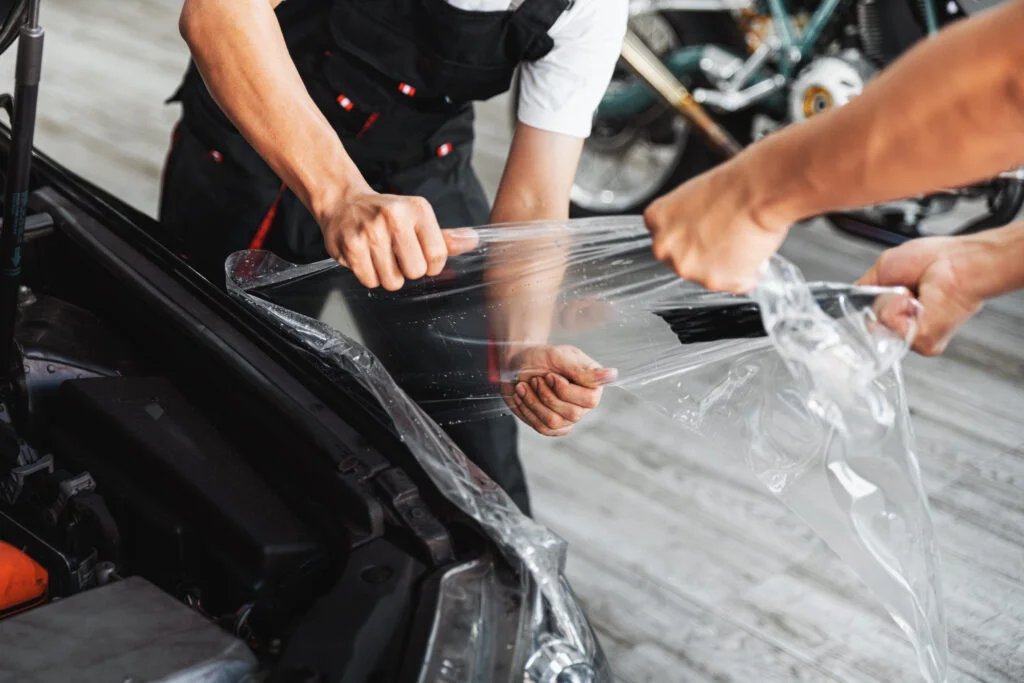
Washing too soon after coating or PPF application. Both need proper curing time before their first wash; rushing this step can compromise the bond before it's had time to set.
Assuming a coating means no maintenance is needed. Ceramic and graphene coatings reduce maintenance requirements significantly, they don't eliminate the need for regular, correct washing altogether.
Ignoring early signs of coating wear. Reduced water beading and increasing dirt adhesion are early warnings that a maintenance coat is due; ignoring them for too long means starting from scratch with a full reapplication later.
Choosing a PPF installer based on price alone. A rushed or inexperienced install shows up as visible seams, trapped dust, or lifting edges, sometimes within months, and correcting a bad install is more costly than paying properly the first time.
5. Interior Detailing Mistakes
Treating interior cleaning as an afterthought. A quick vacuum and a wipe of the dashboard isn't the same as genuine interior detailing, and neglecting deeper cleaning affects both comfort and resale value over time.
Using the wrong products on leather or leatherette. Harsh cleaners can dry out and crack leather surfaces faster than proper conditioning products would.
Ignoring AC vents. Dust buildup here directly affects cabin air quality, something many owners never think to address until it becomes a noticeable odor problem.
Not addressing moisture and odor promptly. In a humid climate, damp floor mats or spilled liquids left unaddressed can lead to musty smells that become much harder to fully remove the longer they're ignored.
6. Mistakes People Make When Choosing a Detailing Shop
Judging quality by price alone. The cheapest option is often cheap because it skips decontamination, correction, or thorough interior work, not because it's simply more efficient.
Not asking what's actually included. "Full detailing" means different things at different shops; assuming it includes paint correction and interior work without confirming often leads to disappointment.
Ignoring less visible areas as a quality signal. Door jambs, wheel wells, and the undercarriage reveal a lot about how thorough a shop genuinely is, and they're often the first areas skipped when corners are being cut.
Not asking to see correction results under direct light. Filtered photos can hide inconsistent polishing work; genuine correction should be visible and confirmable under proper lighting.
7. DIY Detailing Mistakes
Skipping the clay bar or decontamination step. Attempting to polish or coat paint that still has bonded contaminants on it leads to inconsistent, patchy results.
Using a machine polisher without proper technique. Incorrect pad selection, pressure, or speed can cause more damage than it fixes, particularly on cars with thinner factory clear coats.
Applying DIY ceramic spray coatings expecting professional-grade results. These products offer a genuine but much shorter-lived effect than properly applied, professional multi-layer coatings.
Not researching product compatibility. Mixing products not designed to work together, like applying wax over a still-curing ceramic coating, can interfere with proper bonding.
8. Comparison Table: Mistake vs Correct Practice
| Mistake | Why It's a Problem | Correct Practice |
|---|---|---|
| Single-bucket washing | Reapplies dirt onto paint | Two-bucket or foam wash method |
| Dish soap for washing | Strips wax, sealant, and coatings | pH-neutral car shampoo |
| Same tool for wheels and paint | Transfers abrasive brake dust | Separate tools for wheels and body |
| Air-drying in sunlight | Causes water spotting | Microfiber towel drying |
| Coating over uncorrected paint | Locks in swirl marks permanently | Paint correction before coating |
| Automated brush washes | Causes fine scratching | Hand wash or touchless wash |
| Ignoring wheel wells and jambs | Hides real condition and buildup | Full-vehicle inspection and cleaning |
| Choosing installer by price alone | Leads to poor PPF or coating results | Ask about process and see real examples |
9. Myths vs Facts
Myth: Washing your car often causes more damage than washing it rarely. Fact: Frequency isn't the issue, technique is. A correctly done wash, even weekly, is better for paint than letting grime sit for weeks.
Myth: Any ceramic coating applied by a shop is automatically applied correctly. Fact: Application quality varies significantly between shops; skipping decontamination or correction beforehand is a common shortcut even at paid services.
Myth: DIY detailing products are just as effective as professional ones. Fact: Consumer-grade products can offer genuine short-term results, but they typically don't match the bonding strength or longevity of professional-grade treatments.
Myth: A car that looks clean has no hidden detailing mistakes. Fact: Swirl marks, early coating wear, and interior buildup are often not visible until viewed under direct light or after months of accumulated damage.
Myth: Interior detailing mistakes don't really matter since they're not visible from outside. Fact: Neglected interior care affects air quality, material condition, and resale value just as meaningfully as exterior mistakes do.
10. How to Actually Fix These Mistakes Going Forward
If some of these mistakes sound familiar, the good news is that most paint damage caused by poor detailing habits can be addressed through proper correction and a reset in routine going forward.
Start with an honest assessment of your car's current paint condition, ideally under direct light where swirl marks and oxidation are actually visible. From there, paint correction can address existing damage before any protective coating is considered. Going forward, switching to proper two-bucket washing, pH-neutral products, and microfiber drying prevents the same mistakes from repeating.
If you're already dealing with a coating applied over uncorrected paint, or a PPF install that's starting to lift at the edges, it's worth having it properly assessed rather than continuing to maintain a flawed foundation.
11. Kerala-Specific Detailing Mistakes to Watch For
Not rinsing off monsoon mud promptly. Mud and grime from heavy rain splash-back left sitting in wheel wells and lower panels for extended periods contributes to long-term buildup and potential corrosion risk.
Wiping construction dust off dry. Fine dust from ongoing road work around Thrissur settles easily onto paint, and wiping it off without a proper rinse first is a common, easily avoidable cause of fine scratching.
Underestimating humidity's effect on interiors. Damp mats, wet umbrellas, or trapped moisture during monsoon months accelerate musty odors faster here than in drier climates, making prompt interior attention more important.
Assuming coatings need less maintenance because of frequent rain. Rain doesn't replace proper washing, contaminants and grime still bond to the surface and need to be addressed with correct technique, not left to rinse off passively.
Parking in direct sun without shade consideration. Kerala's intense tropical sun accelerates UV-related paint and coating degradation; even brief covered parking during peak sun hours makes a meaningful long-term difference.
12. Maintenance Tips to Avoid Repeating These Mistakes
Keep a dedicated wash bucket setup with separate tools for wheels and paint
Always pre-rinse before any contact washing begins
Use pH-neutral shampoo exclusively, and avoid dish soap permanently
Dry with clean microfiber towels immediately after washing
Confirm what a detailing package actually includes before booking
Schedule periodic professional inspection of coatings or PPF, especially after monsoon season
Address interior spills, moisture, and odors promptly rather than letting them sit
13. Frequently Asked Questions
1. What's the single most damaging car detailing mistake? Applying ceramic or graphene coating over uncorrected paint tends to cause the most lasting damage, since it locks existing imperfections in permanently.
2. Are automated car washes really that bad for paint? They carry a meaningfully higher risk of fine scratching compared to a proper hand wash, mainly because brushes are shared across many vehicles without individual cleaning between cars.
3. Can dish soap actually damage my car's paint? It won't damage bare paint outright, but it strips wax, sealant, and coating protection far more aggressively than proper car shampoo, shortening their effective lifespan.
4. How do I know if my car already has swirl marks from past mistakes? Check the paint under direct sunlight or a bright flashlight at an angle; fine circular scratches that become visible this way are classic swirl marks from improper washing.
5. Is it too late to fix damage from years of bad washing habits? Usually not; paint correction can address most accumulated swirl marks and light scratches, restoring a smoother, glossier finish before any new coating is applied.
6. Why does washing technique matter more than washing frequency? Because incorrect technique, not the number of washes, is what actually introduces fine scratches and swirl marks into the clear coat over time.
7. Can I still fix a bad PPF installation? Depending on the issue, minor lifting can sometimes be addressed, but significant problems generally require the affected sections to be reinstalled properly.
8. Do these mistakes matter as much on an older car? Yes, and arguably more so, since older paint often has thinner remaining clear coat, making it more vulnerable to compounding damage from improper care.
9. What should I ask a detailing shop to avoid getting a rushed job? Ask specifically whether decontamination and paint correction are included, not just a wash and polish labeled as "full detailing."
10. Does using the wrong interior products actually cause visible damage? Yes, particularly on leather and leatherette, where harsh generic cleaners can cause drying, cracking, or discoloration over repeated use.
11. How often should I inspect my coating or PPF for early signs of trouble? A periodic check every few months, especially after monsoon season, helps catch reduced water beading or early film lifting before it becomes a bigger issue.
12. Is it a mistake to wash a car too soon after ceramic coating or PPF is applied? Yes, both need dedicated curing time before their first wash; washing too early can compromise the bond before it's fully set.
14. Final Thoughts
Almost none of the damage covered in this guide comes from a single dramatic event. It comes from small, repeated habits, a rushed wash, a skipped correction step, the wrong product used out of convenience, that quietly compound over months and years until the paint's condition no longer matches how carefully the owner actually believes they've been treating it.
The fix isn't complicated. It's mostly about knowing which habits actually matter, and being willing to slow down slightly during routine care rather than optimizing purely for speed. Paint that's washed correctly, corrected when needed, and protected with a properly applied coating holds its condition dramatically better over years than paint subjected to shortcuts, even if both cars look similar side by side today.
15. Call to Action
If your car's paint has picked up damage from any of these common mistakes, or you want an honest assessment before your next wash or coating, get in touch with Menora We2 Auto Detailing Studio in Irinjalakuda or Mannuthy. We'll walk you through your car's actual condition and the right way to fix it, not just another rushed wash.