Introduction
Ceramic coating has gone from a niche detailing product to something almost every car owner in Thrissur has at least heard of, usually from a friend who won't stop talking about how their car "beads water like never before," or from a shop signboard promising a permanent glossy finish. Somewhere between those two extremes is what ceramic coating actually is, a genuinely useful protective product with real, specific benefits, but not the miracle solution some marketing makes it out to be.
If you're trying to figure out whether ceramic coating is worth it for your car, what a proper application should actually involve, and what you can realistically expect once it's done, this guide walks through all of it honestly. No inflated claims, no vague "9H hardness lasts forever" language without context, just a clear breakdown of what ceramic coating does, how it's applied, and what genuinely matters when choosing a service in Thrissur's specific climate.
Quick Answer
Ceramic coating is a liquid polymer, typically based on silicon dioxide, that chemically bonds to your car's clear coat, adding gloss, hydrophobic water beading, and significantly easier washing. A proper ceramic coating service includes decontamination, paint correction, and multiple cured layers, not just a quick spray-on application. It doesn't prevent stone chips or scratches, but it does slow oxidation, resist mild chemical staining, and make long-term maintenance considerably easier.
1. What Ceramic Coating Actually Is
Ceramic coating is a liquid nanotechnology product, most commonly built around silicon dioxide (SiO2) or silicon carbide (SiC), applied by hand onto a car's clear coat. Once cured, it forms a semi-permanent chemical bond with the paint's surface, creating a hard, glass-like protective layer sitting on top of the factory finish.
Unlike wax, which simply sits on the surface temporarily, ceramic coating actually bonds with the clear coat at a molecular level. That bond is what gives it dramatically longer performance than traditional wax or sealant, and it's also why proper application matters so much, a rushed or improperly cured coating won't bond as effectively, regardless of how good the product itself is.
2. How Ceramic Coating Works on a Chemical Level
During curing, ceramic coating cross-links with the clear coat, forming a dense, uniform layer that's measurably harder than the paint underneath it. This bonded layer changes the surface energy of the paint, which is the actual technical reason water beads up tightly instead of sheeting flat, and why dirt and grime find it considerably harder to physically stick to the surface.
This same bonded layer is also what provides the coating's UV resistance and mild chemical resistance, slowing the rate at which sunlight and airborne contaminants degrade the clear coat underneath. None of this happens instantly; a coating needs proper curing time, often several days, to fully harden and reach its intended performance level.
3. What a Proper Ceramic Coating Service Should Include
A genuine ceramic coating service isn't a single step, it's a sequence, and skipping any part of it compromises the final result:
Wash and decontamination — removing surface dirt, embedded iron particles, and tar deposits that a normal wash can't fully lift
Clay bar treatment — physically lifting bonded contaminants, leaving the paint genuinely smooth before any polishing begins
Paint correction — polishing out swirl marks, light scratches, and oxidation; this step is critical, since coating over uncorrected paint locks every existing imperfection in permanently
Surface prep and panel wipe-down — clearing away polishing oils so the coating can properly bond to the clear coat
Coating application — applied in thin, even layers using an applicator pad, working methodically section by section
Flash and cure time between layers — allowing each layer to bond before the next is applied
Extended final curing period — full hardening continues over the following days, during which the car should avoid water exposure
Our ceramic coating service follows this full sequence, since skipping decontamination or correction is exactly where lower-quality results, and disappointed customers, come from.
4. What Ceramic Coating Can and Cannot Do
What it can do:
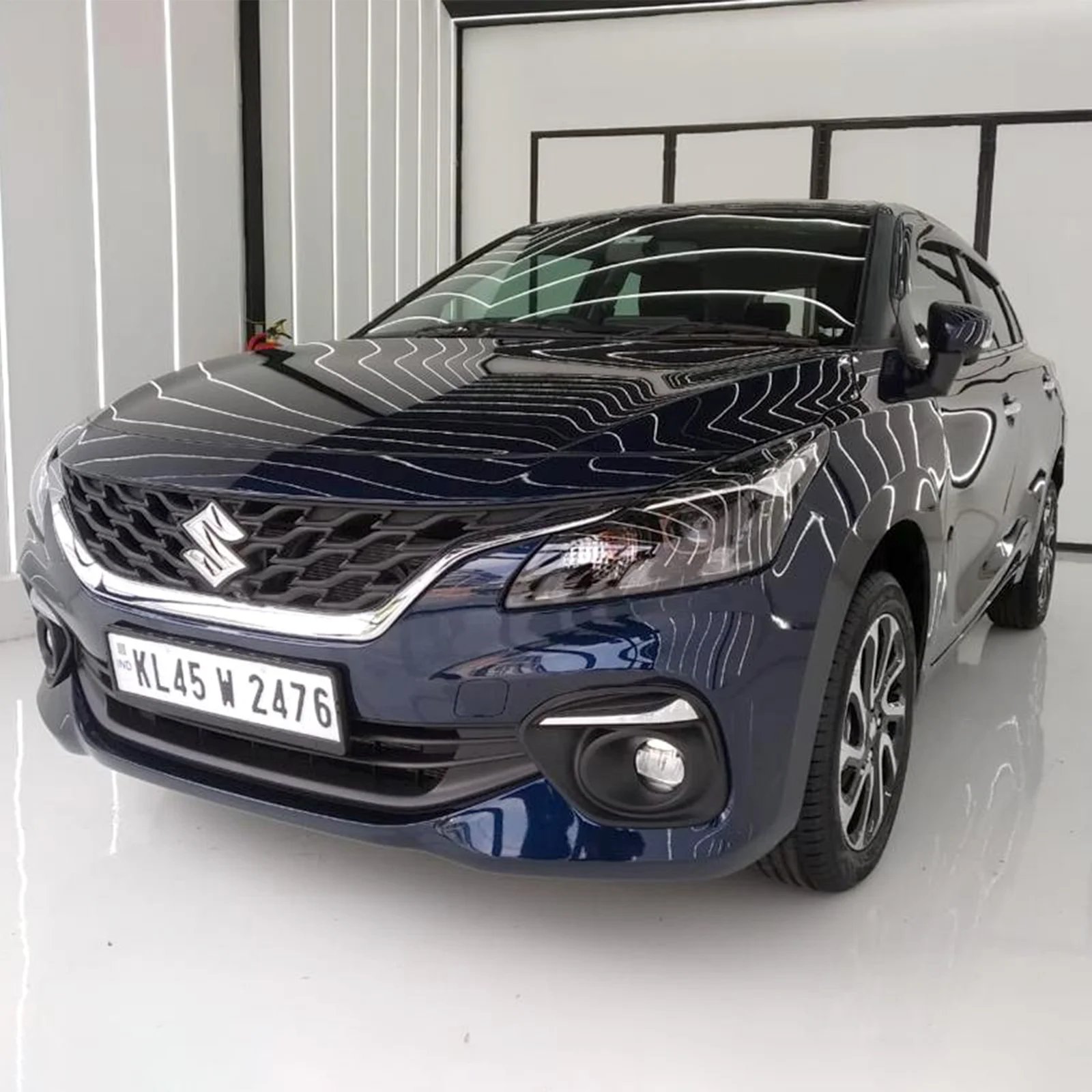
Add noticeable gloss and depth to the paint's finish
Create a hydrophobic surface where water beads and rolls off
Make routine washing significantly easier, since dirt struggles to bond to the coated surface
Offer UV resistance that slows long-term oxidation and fading
Resist mild chemical contaminants like bird droppings and tree sap, if cleaned within a reasonable time
What it cannot do:
Prevent stone chips or gravel damage from the road
Stop scratches from branches, keys, or careless contact
Fix existing swirl marks, oxidation, or scratches (it seals whatever condition the paint already has)
Replace the need for regular, proper washing altogether
If physical impact protection is your main concern, that's a job for PPF, not a liquid coating, regardless of how advanced the ceramic formula is.
5. Types of Ceramic Coating Available
Not all products marketed as "ceramic coating" offer the same level of protection, and it's worth understanding the differences:
DIY spray sealants sold in general retail don't chemically bond the way professional coatings do, and typically fade within a matter of weeks.
Consumer-grade DIY kits offer a genuine, if thinner, bond that owners can apply at home, generally lasting several months with careful application.
Professional-grade multi-layer coatings are applied by trained detailers in a controlled environment, following the full decontamination and correction sequence, and are built for multi-year performance.
Graphene-enhanced coatings build on the same ceramic base with graphene incorporated into the formula, generally associated with improved heat resistance and enhanced durability. Our graphene coating service is a natural upgrade path for owners wanting the most current coating technology.
6. Ceramic Coating vs Wax vs Sealant
Traditional carnauba wax offers a warm, deep shine but sits on top of the paint without bonding to it, typically lasting weeks to about two months, especially in a hot, humid climate like Kerala's. Paint sealant is a synthetic step up, bonding more effectively than wax but still falling well short of ceramic coating's durability, generally lasting 3 to 6 months.
Ceramic coating chemically bonds directly with the clear coat, offering dramatically longer performance measured in years rather than weeks or months. The tradeoff is a larger upfront investment and the need for proper professional application, but the result is a fundamentally longer-lasting layer of protection with far less frequent maintenance required.
7. Comparison Table
| Factor | Wax | Sealant | Ceramic Coating |
|---|---|---|---|
| Bonding to paint | Sits on surface | Light chemical bond | Strong chemical bond |
| Typical lifespan | Weeks to ~2 months | 3–6 months | 2–5 years, product-dependent |
| Gloss enhancement | Moderate | Moderate | High |
| Hydrophobic performance | Moderate | Moderate | Strong |
| UV resistance | Minimal | Moderate | Strong |
| Ease of maintenance | Frequent reapplication | Regular reapplication | Significantly easier long-term |
| Requires paint correction first | Recommended | Recommended | Strongly recommended |
| Upfront cost | Lowest | Low to moderate | Higher, but better long-term value |
8. Benefits of Ceramic Coating
Long-lasting gloss and depth. The smooth, uniform surface created by a properly cured coating enhances light reflection noticeably compared to bare or waxed paint.
Significantly easier washing. Because dirt and grime struggle to bond to the coated surface, routine washing becomes faster and considerably less labor-intensive.
Strong hydrophobic performance. Water beading isn't just cosmetic, it reduces water spotting, a common issue in Kerala's humid, rain-heavy climate.
UV and oxidation resistance. Helps slow the gradual fading and dulling that unprotected paint experiences over years of tropical sun exposure.
Mild chemical resistance. Bird droppings, tree sap, and general road grime are less likely to bond aggressively to a coated surface if addressed promptly.
Better long-term value than frequent wax reapplication. While the upfront cost is higher, the multi-year lifespan often works out more cost-effective over time than repeatedly reapplying wax or sealant.
9. Common Mistakes Car Owners Make
Skipping paint correction before coating. This is the single most damaging shortcut. Applying ceramic coating over swirl marks, oxidation, or old wax residue traps those imperfections underneath a hard layer that's genuinely difficult to remove later.
Assuming ceramic coating prevents scratches. It adds surface hardness, not thickness. A key scratch or stone chip still goes straight through it.
Washing too soon after application. The coating needs proper curing time before its first wash; rushing this step can compromise the bond before it fully sets.
Choosing based on price alone. A significantly cheaper coating service is often cutting out decontamination or correction, the exact steps that determine whether the final result actually holds up.
Neglecting maintenance afterward. Ceramic coating reduces maintenance requirements, it doesn't eliminate the need for regular, correct washing altogether.
10. Myths vs Facts
Myth: Ceramic coating makes your car scratch-proof. Fact: It adds surface hardness, but it's still a thin layer that can't stop scratches from keys, branches, or stone impacts.
Myth: Once applied, ceramic coating never needs any attention again. Fact: It still needs proper washing and periodic maintenance products to keep performing at its best over its multi-year lifespan.
Myth: All ceramic coatings on the market perform identically. Fact: Formula quality, concentration, and application skill vary significantly between products and installers, directly affecting real-world results.
Myth: Ceramic coating means you'll never need to wash your car. Fact: It reduces how often deep cleaning is needed and makes washing easier, but regular washing is still necessary.
Myth: A more expensive coating is always better. Fact: Price reflects several factors, including product tier and labor, but proper application quality matters just as much as the product itself.
11. How Long Ceramic Coating Actually Lasts
Professionally applied, multi-layer ceramic coating generally lasts between 2 and 5 years, depending on the product tier, application quality, and how well it's maintained afterward. Entry-level or DIY products tend to last closer to several months to a year. Graphene-enhanced formulas are generally associated with slightly longer durability within that same range.
Real-world lifespan is also heavily influenced by washing habits, parking conditions, and climate exposure, not just the product itself. A coated car parked mostly outdoors in direct Kerala sun and washed with harsh detergents will naturally show wear faster than one parked in shade and maintained with proper pH-neutral products.
12. Maintenance Tips After Ceramic Coating
Avoid washing the car for the first several days after application, allowing the coating to properly cure
Use pH-neutral car shampoo exclusively; harsh detergents strip the coating's performance faster
Avoid automated brush car washes, which can introduce fine scratches on the coated surface
Remove bird droppings and tree sap promptly, since prolonged contact can still cause etching
Dry with a clean microfiber towel after every wash to prevent water spotting
Use a maintenance spray or booster product periodically to refresh hydrophobic performance between full washes
Park in shade where possible to reduce cumulative UV exposure
13. Kerala-Specific Reasons Ceramic Coating Makes Sense
Monsoon water resistance. Thrissur's extended rainy season means paint deals with sustained moisture exposure for months at a time. Ceramic coating's hydrophobic properties directly address this, helping water bead and roll off rather than sitting and encouraging water spots or mineral staining.
High year-round humidity. Even outside monsoon months, Kerala's consistently high humidity accelerates paint oxidation on unprotected surfaces, something ceramic coating's UV and chemical resistance helps slow down.
Intense tropical sun. Between rain showers, direct sun in Kerala is strong, and UV exposure is one of the primary drivers of long-term paint fading, making coating protection genuinely useful here.
Dust from ongoing construction. Fine dust from road work around Thrissur district settles more easily onto uncoated paint, while a coated surface makes safe removal considerably easier during routine washing.
Coastal humidity influence. Even for car owners further inland, some coastal humidity effects still reach the district, contributing to long-term oxidation risk that coating helps mitigate.
14. Questions to Ask Before Booking a Ceramic Coating Service
Does your service include decontamination and clay bar treatment, or just a wash and coat?
Will the paint be properly corrected before the coating is applied?
How many layers are included, and what's the expected curing time?
What product or brand of ceramic coating do you use?
What washing products and technique do you recommend once the coating is applied?
A shop that answers these clearly, and doesn't rush past the correction step, is generally one that takes the process seriously.
15. Frequently Asked Questions
1. Is ceramic coating worth it for a car in Kerala's climate? Yes, particularly because its hydrophobic properties help resist water spotting during Kerala's extended monsoon season, while also slowing UV-related fading.
2. Does ceramic coating stop stone chips? No, it's a chemical coating, not a physical barrier, so it doesn't protect against stone chips or scratches the way PPF does.
3. How long does a ceramic coating service typically take? A proper service, including decontamination, correction, and multi-layer application, generally takes considerably longer than a same-day wash-and-coat job, often spanning a full day or more depending on paint condition.
4. Can ceramic coating be applied over PPF? Yes, this is a common combination, adding gloss and hydrophobic performance on top of PPF's physical protection.
5. Does ceramic coating fix existing scratches or swirl marks? No, coating seals whatever condition the paint is already in; paint correction beforehand is what actually removes those imperfections.
6. Is graphene coating better than standard ceramic coating? It's generally considered an advancement within the same category, offering improved heat resistance and durability, rather than a completely different or universally superior product.
7. Can I wash my car normally after ceramic coating? Yes, once the curing period is complete, using pH-neutral shampoo and gentle hand-washing technique.
8. How do I know if my ceramic coating is still working? Reduced water beading, slower water sheeting, and increasing dirt adhesion are practical signs the coating's performance is fading and a maintenance coat may be due.
9. Is ceramic coating suitable for older cars? Yes, though paint condition should be assessed and corrected first for the best result, since older paint often has more accumulated swirl marks and oxidation.
10. Does ceramic coating require special products to maintain? A pH-neutral car shampoo and occasional maintenance spray are generally sufficient; harsh detergents should be avoided.
11. Can ceramic coating be removed if I change my mind? It can be removed, though this typically requires polishing or light compounding, since it chemically bonds with the clear coat.
12. Why do ceramic coating prices vary so much between shops? Price differences usually reflect real variation in product tier, the number of layers applied, and whether proper decontamination and correction are included, not just profit margin.
13. Is DIY ceramic coating as good as a professional application? DIY kits offer genuine but generally shorter-lived protection compared to professionally applied, multi-layer coatings done with proper preparation.
14. Does ceramic coating help with monsoon-related water spots? Yes, its hydrophobic properties cause water to bead and roll off more effectively, reducing the mineral deposits that lead to water spotting.
16. Final Thoughts
Ceramic coating is a genuinely useful product when it's applied properly, decontamination, correction, and multiple cured layers, not just a quick spray-on treatment marketed with big promises. For Kerala car owners dealing with monsoon rain, tropical sun, and constant humidity, the gloss, hydrophobic performance, and easier maintenance it offers make a real, practical difference over years of ownership.
What it isn't is a substitute for basic care or a shield against physical damage. Understanding that distinction upfront is what actually leads to a satisfying result, rather than disappointment down the road.
17. Call to Action
If you're considering ceramic coating for your car in Thrissur and want an honest assessment of your paint's current condition and what the process would actually involve, get in touch with Menora We2 Auto Detailing Studio in Irinjalakuda or Mannuthy. We'll walk you through what your car genuinely needs, not a generic package.