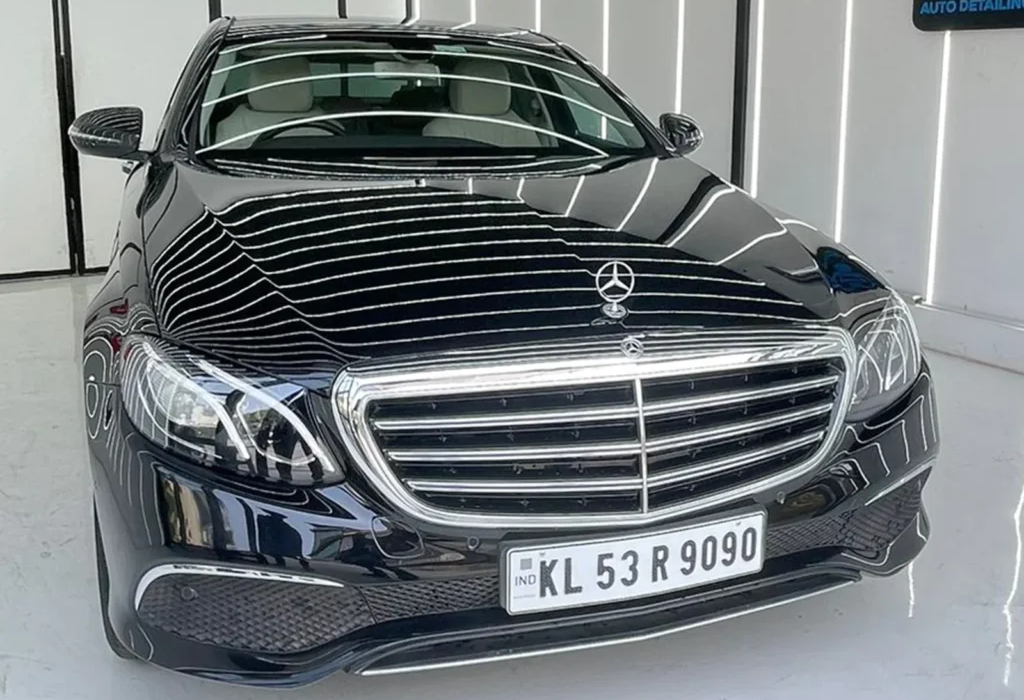
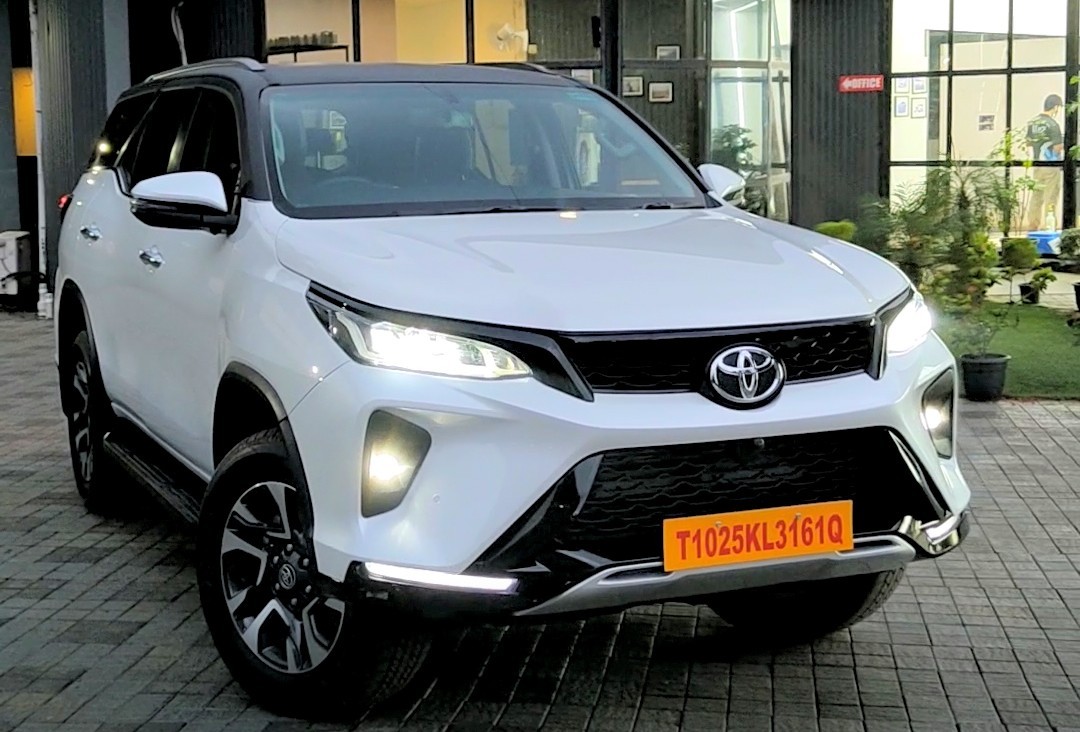
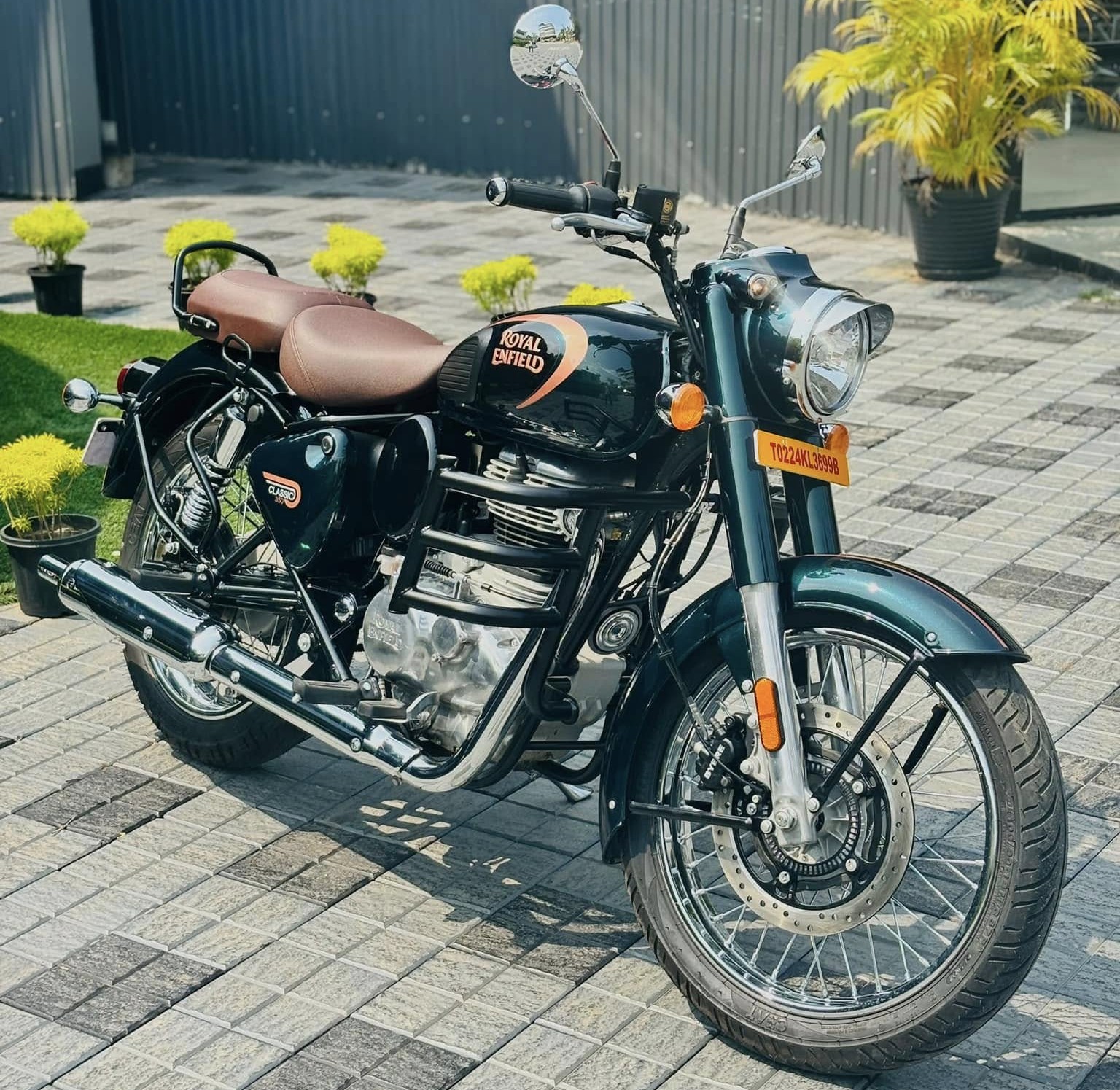
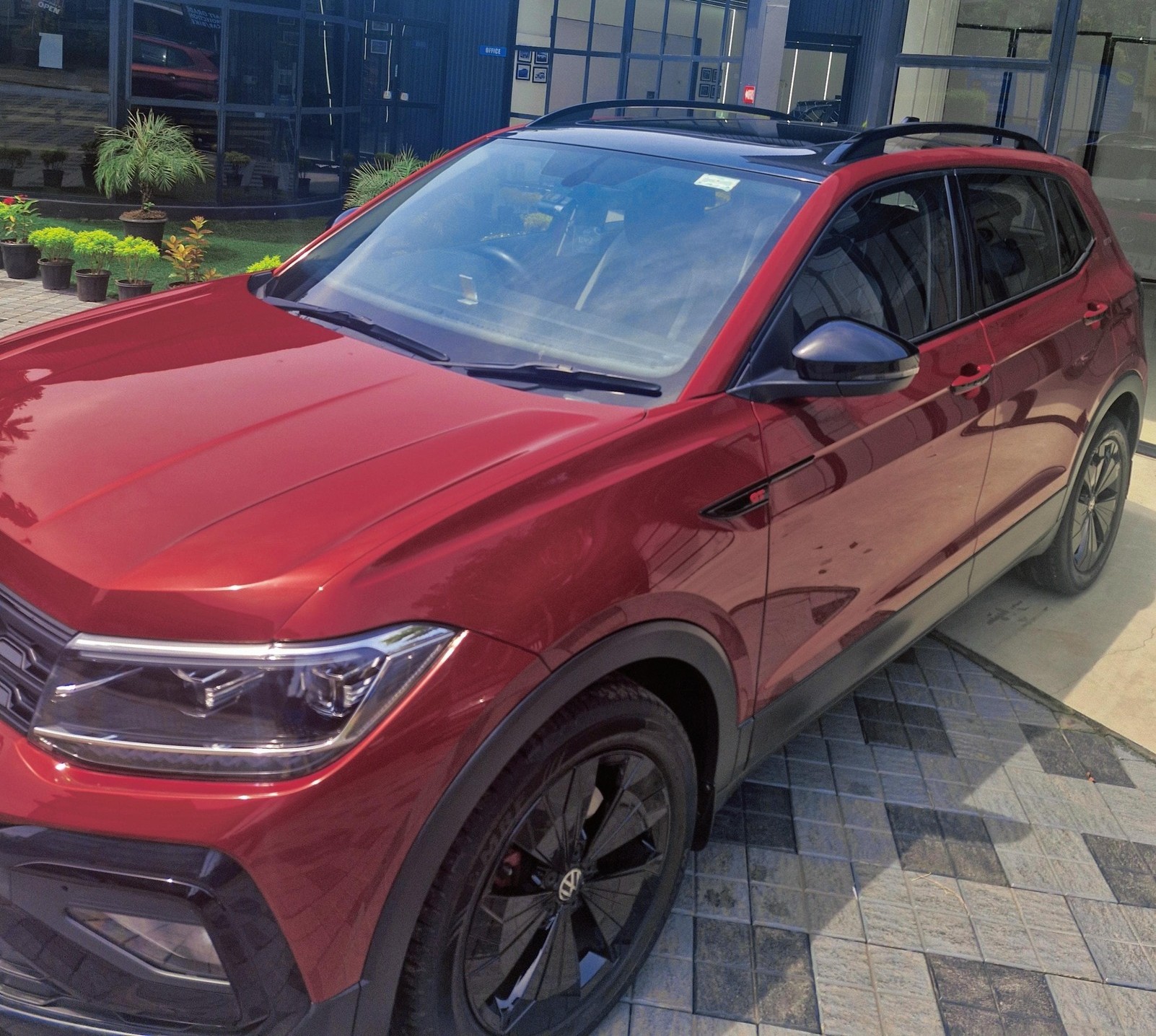
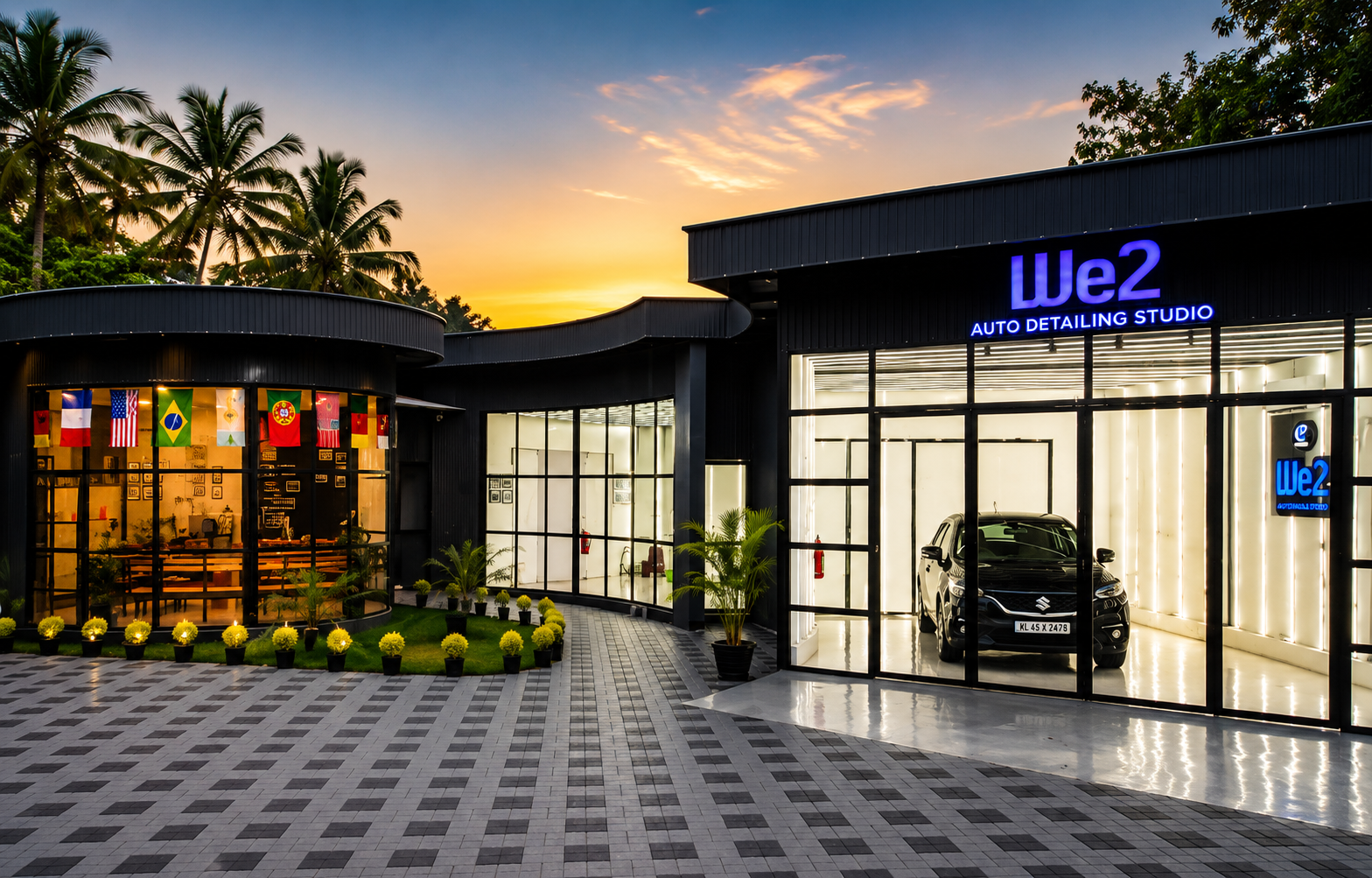
Graphene coating is a surface-protection coating that incorporates graphene-related material or technology into its formulation. The exact chemistry and performance characteristics vary by manufacturer and product. Depending on the product selected, graphene coatings can provide gloss, hydrophobic behaviour and resistance to environmental contamination. Menora We2 applies graphene coating for cars and bikes at our Thrissur studio, starting with a free consultation before any work is booked in.
What Is Graphene Coating?
Graphene coating is a surface-protection coating that incorporates graphene-related material or technology into its formulation and cures into a hard, hydrophobic layer over the clear coat. Like ceramic coating, it can provide gloss, hydrophobic behaviour and resistance to environmental contamination. The exact formulation and performance characteristics vary by manufacturer and product, so we'll explain the specifications of the coating selected for your vehicle.
Why Graphene Coating Suits Thrissur's Conditions
A few local factors matter for any coated vehicle here. Hard-water deposits can be a practical concern in this climate, particularly when mineral-rich water dries on hot paintwork. A properly maintained coating can make the surface easier to clean and help reduce contamination bonding to the paint. Long monsoon stretches bring acidic runoff, particularly from tree cover, that sits on paint longer than it should. Intense sun through the hotter months means paint goes through repeated heating and cooling, which is part of why regular maintenance matters in this climate.
Car Graphene Coating in Thrissur
We work with two kinds of car owners most often: those buying new and planning to keep the car for a while, and existing ceramic-coated customers upgrading to graphene at recoat time. For used vehicles, we check the paint condition during the consultation — if there are existing swirl marks or imperfections, we'll recommend correction first, since coating over that condition seals it in rather than fixing it. This isn't a blanket requirement for every used car; it depends on what the inspection shows.
Bike Graphene Coating in Thrissur
Motorcycles and scooters can be coated too, including tanks, fairings, and other painted panels. Graphene-compatible coating options are available for some matte finishes, depending on the selected product. We'll confirm product compatibility before application. Two-wheelers generally see harsher day-to-day conditions than cars — full sun exposure on tanks, outdoor parking, and washing with the same hard water — so the easier-to-clean surface a coating provides is a genuinely practical benefit, including for wiping off chain lube residue.
Graphene Coating vs. Ceramic Coating
Both are good options, and neither is universally "better" — it depends on your situation. In practice, graphene-based products may offer particular advantages in gloss, surface behaviour or maintenance depending on the formulation and manufacturer specifications. Actual durability and recoat intervals depend on the specific product, preparation, application, vehicle exposure and maintenance. We'll explain the applicable manufacturer guidance for the coating selected. Conventional ceramic coating remains a genuinely solid option, particularly for cars kept mostly in a garage or for owners who want strong protection without stepping up to graphene. We'll talk through which fits your car and how you use it during your consultation, rather than defaulting to one.
Graphene Coating vs. Paint Protection Film
These solve different problems. Graphene coating is a chemical treatment — it improves gloss and adds hydrophobic, UV, and chemical resistance, but it won't stop a stone chip or a scratch. Paint protection film is a physical film built specifically to absorb that kind of impact. For cars doing a lot of highway driving, we often recommend film on the front end paired with graphene coating on the rest of the car; for mostly city driving, graphene coating may be sufficient for owners primarily looking for surface protection, gloss and easier maintenance.
Do You Need Paint Correction Before Graphene Coating?
It depends on the current condition of your paint. A coating protects the surface condition present when it is applied; it does not remove existing imperfections. If there are swirl marks or other visible defects already there, we'll recommend correction where it would make a genuine difference to the result — we check this during your consultation rather than assuming every car needs it. Read more on our paint correction page.
How Graphene Coating Is Applied at Our Thrissur Studio
Application starts with full decontamination — a pH-neutral wash, iron remover, tar remover, and clay bar pass — followed by a paint inspection and machine correction where the inspection calls for it. A prep solution strips any remaining oils before the coating is applied panel by panel in a dust-controlled bay, followed by an indoor curing period before the car is exposed to normal weather. At handover, we walk you through your warranty documentation and how to care for the coating going forward.
Caring for a Graphene-Coated Vehicle
Follow the initial curing period and maintenance instructions provided for the specific coating installed. During handover, we'll explain when the vehicle can be washed and how frequently it should be maintained.
Wash with a pH-neutral shampoo and a clean microfibre mitt.
Skip automatic brush washes and harsh chemical cleaners.
Remove bird droppings promptly rather than leaving them to sit.
An occasional maintenance check at the studio can help the coating keep performing well over time.
Graphene Coating and Resale Value
A well-maintained exterior can help a vehicle present better when it is eventually sold. Graphene coating can help maintain gloss and make routine cleaning easier, but it should not be treated as a guarantee of higher resale value.
Free Graphene Coating Consultation at Our Thrissur Studio
The right choice between graphene and conventional ceramic — and the coverage that makes sense — depends on your car, how it's parked, and how long you're planning to keep it. We offer a free consultation at our Thrissur studio: we'll inspect the paint under proper lighting, walk you through both options side by side, and provide a written scope of work before anything begins.
Why Choose Menora We2 in Thrissur
Paint correction, ceramic and graphene coating, and paint protection film are core parts of what we do at the Thrissur studio, not an occasional add-on. We work with both customers choosing graphene coating for the first time and vehicle owners considering an upgrade from an existing coating. We'll advise honestly on whether graphene or conventional ceramic is the better fit for the specific vehicle. For a broader overview of our graphene coating services across Irinjalakuda and Thrissur, see our main graphene coating service page.
FAQs
What's the difference between graphene coating and ceramic coating? Both are surface-protection options, but their characteristics depend on the specific product and formulation. Graphene-based products may offer particular advantages in gloss, surface behaviour or maintenance depending on the formulation. Conventional ceramic coatings also provide strong gloss, hydrophobic behaviour and protection. We'll compare the applicable product specifications before recommending one.
Does graphene coating resist hard water spots better than ceramic? Hard-water deposits can affect any vehicle surface if mineral-rich water is allowed to dry on the paint. The right coating and proper maintenance can make the surface easier to clean and help reduce contamination bonding. We'll explain the expected behaviour of the specific product selected.
Is graphene coating worth it over regular ceramic coating? It depends on your situation. Graphene tends to make more sense for cars parked outdoors, darker paint colours, and longer ownership periods. Conventional ceramic is a strong option too, particularly for garage-kept cars. We'll talk through what fits your car during the consultation.
Can graphene coating be applied to an older car? Yes, once we've assessed the paint condition. If there's existing swirling or damage, we'll recommend correction first where it would make a real difference — not automatically for every used vehicle.
Does graphene coating work on matte-finish bikes? Graphene-compatible coating options are available for some matte finishes, depending on the selected product. We'll confirm product compatibility before application.
Do I need paint correction before graphene coating? If your paint already has visible imperfections, generally yes — a coating protects the surface condition present when applied, it doesn't remove what's already there. We check this during the consultation.
Can graphene coating and PPF be combined? Yes — a common approach for highway-driven cars is film on the front end for impact protection, with graphene coating over the rest of the car for gloss and easier maintenance.
How long does graphene coating take to apply? It depends on the vehicle and its paint condition, including whether correction is needed first. We'll confirm the expected timeline with you after the initial consultation.
Does graphene coating help with resale value? A well-maintained exterior can present better when a vehicle is eventually sold. Graphene coating can help maintain gloss and make routine cleaning easier, but it should not be treated as a guarantee of higher resale value.
Is graphene coating available for motorcycles? Yes — tanks, fairings and other painted panels on most bike types can be coated. For matte finishes, availability depends on the selected product, so we'll confirm compatibility before application.
Talk to the Studio & Book Online
If you're unsure what your car actually needs, you can contact the studio and discuss the vehicle's condition before choosing a service — or bring it in for an inspection at either location.