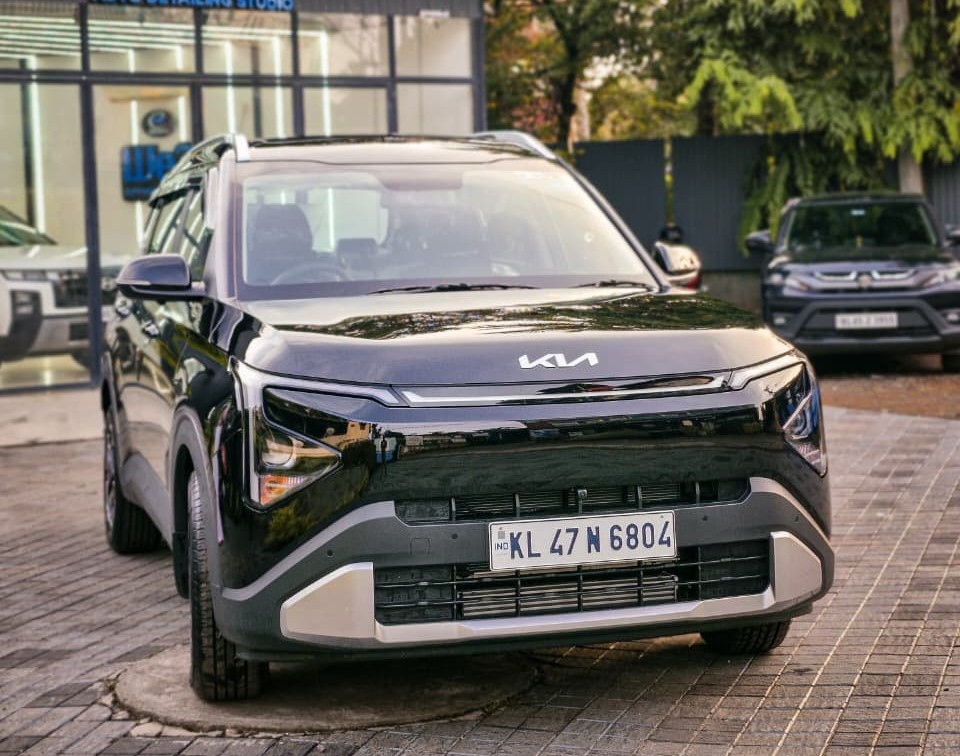
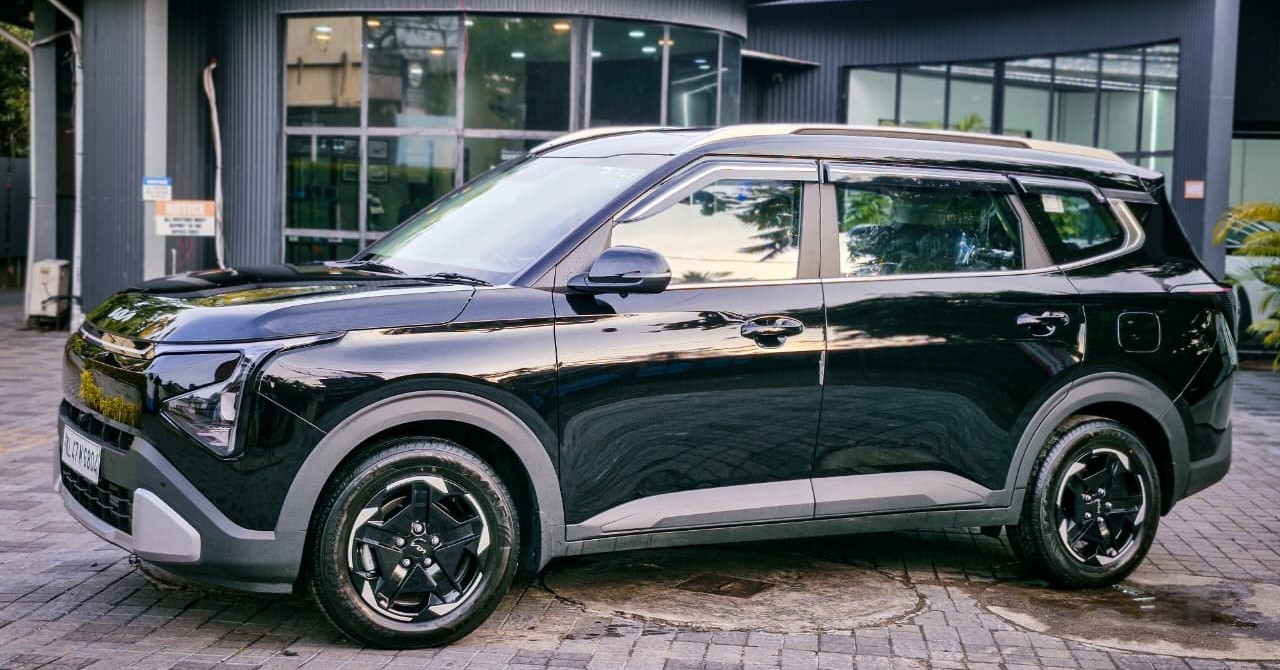
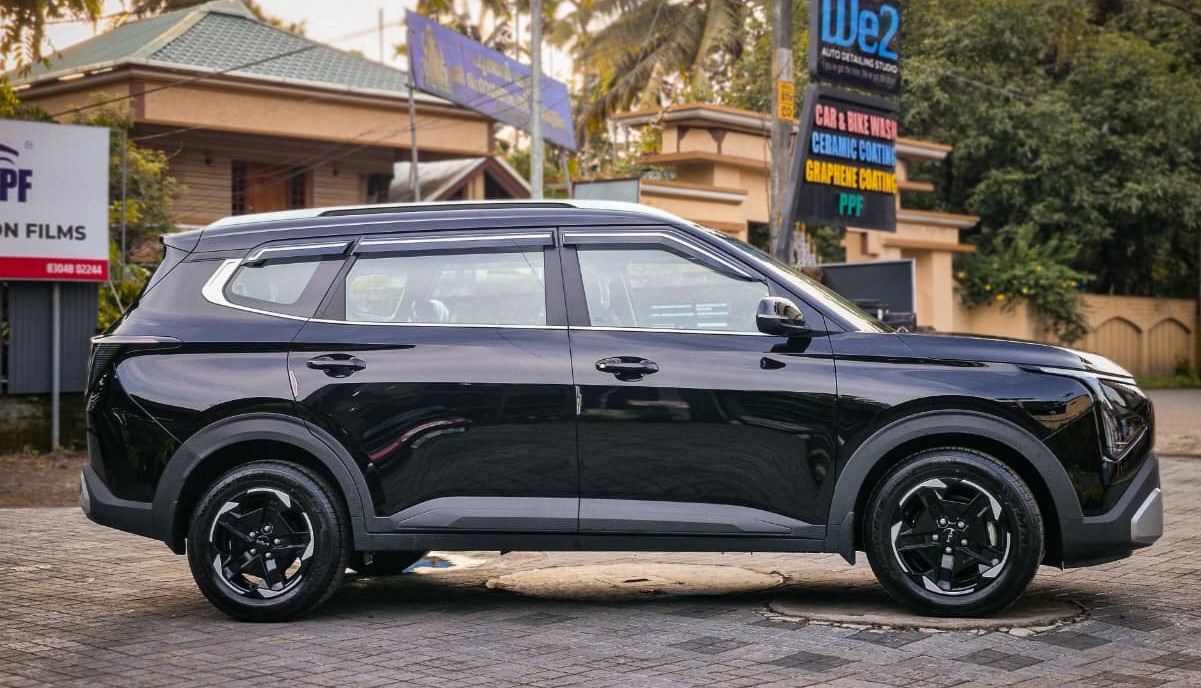
Full body PPF puts film across the vehicle's exterior painted panels, rather than limiting protection to the bonnet and front bumper. It's a larger undertaking than front-end coverage, and it doesn't suit every car that comes into our studios. This page covers what full coverage actually means in practice, who it's built for, and what happens during installation. If you want the general introduction to paint protection film, that's on our main PPF page.
What Full Body Coverage Includes
The concept is simple enough: protection extends across the agreed coverage area on the vehicle's painted exterior, instead of stopping at the front end. Depending on the vehicle and what's agreed with the customer, this can include the bonnet, front and rear bumpers, fenders, doors, mirror caps, roof, boot or tailgate, and pillars. That list changes from car to car. A hatchback and an SUV don't have identical panel layouts, some owners skip the roof, and trim pieces vary by model. We confirm exact coverage with you before any cutting starts — nobody should be signing up for "full body" without knowing precisely what that means for their own car.
Who Actually Needs It
Full body coverage tends to be the right call for owners keeping a vehicle long term who want the paint protected evenly, without doors and roof panels quietly picking up marks while the front stays pristine. Cars and bikes parked outdoors regularly benefit too, since every surface takes weather and contamination, not just the panels facing oncoming traffic.
If highway stone chips are your real concern, front-end or partial coverage might do the job at a smaller scale, and there's nothing wrong with choosing that instead. We'd rather be upfront about that than push the bigger package on a car that doesn't need it. Our Thrissur PPF page covers that full-versus-partial decision in more detail if you're still working it out.
Every job, full body included, starts with a wash and decontamination, followed by a paint inspection under proper lighting. If the paint has swirl marks, holograms, or other visible defects, we'll say so and explain whether correction would genuinely improve the outcome before film goes on. Plenty of cars, especially newer ones, don't need this step at all — we only recommend it when it will actually change the result.
Once the paint's ready, each panel is measured and film is cut individually for it. This is the real difference between full body and a front-end job: mirror caps, pillars, roof curves, and door handles each need their own approach, and there's simply far more edge and seam work involved when the entire car is covered rather than four or five panels. Application happens panel by panel, working film carefully around curves so it settles properly instead of lifting later. A final inspection under studio lighting checks everything before handover, along with instructions for the curing period ahead.
Timing depends on the vehicle, how much coverage is being installed, and the paint's starting condition. We won't hand you a fixed number of days before we've actually looked at the car.
Combining PPF With Ceramic or Graphene Coating
Film and coating solve different problems, and it helps to keep that distinction clear. PPF is a physical layer built to take the hit from stone chips and road debris. Ceramic or graphene coating adds gloss, hydrophobic behaviour, and easier washing, but on its own it does nothing against a stone chip. Many full body customers add coating on top of the film. Where compatible with the selected PPF and coating system, this can be done once the film has cured — but that compatibility comes down to the specific products involved, not a blanket rule across every film and coating combination. We confirm what actually works together during your consultation.
Looking After a Full Body Installation
More surface area means more to stay on top of, though the principles don't change:
Follow the curing period we give you at handover before the first wash.
Wash with a pH-neutral shampoo and a clean microfibre mitt, across the whole car.
Skip automatic brush washes, which can snag film edges in ways they wouldn't affect bare paint.
Keep pressure washers away from seams and film edges specifically.
Clear bird droppings and tree sap promptly, on every panel, since it's easy to only check the ones you see most often.
Film reduces the risk of light marks and everyday impact damage. It doesn't make a car immune to serious damage, and how it holds up over years comes down to the specific product installed, how the vehicle is driven, and how it's maintained — none of which we'll reduce to a single number before installation.
Full Body PPF on Motorcycles
Full coverage isn't only a car request. Riders ask about it for bikes too. It's a more intricate job on two wheels, since tank, fairing, and mudguard panels are smaller and curve more sharply, meaning tighter, more precise cutting across less surface area than a car requires. Our Bike PPF page goes into what that installation looks like.
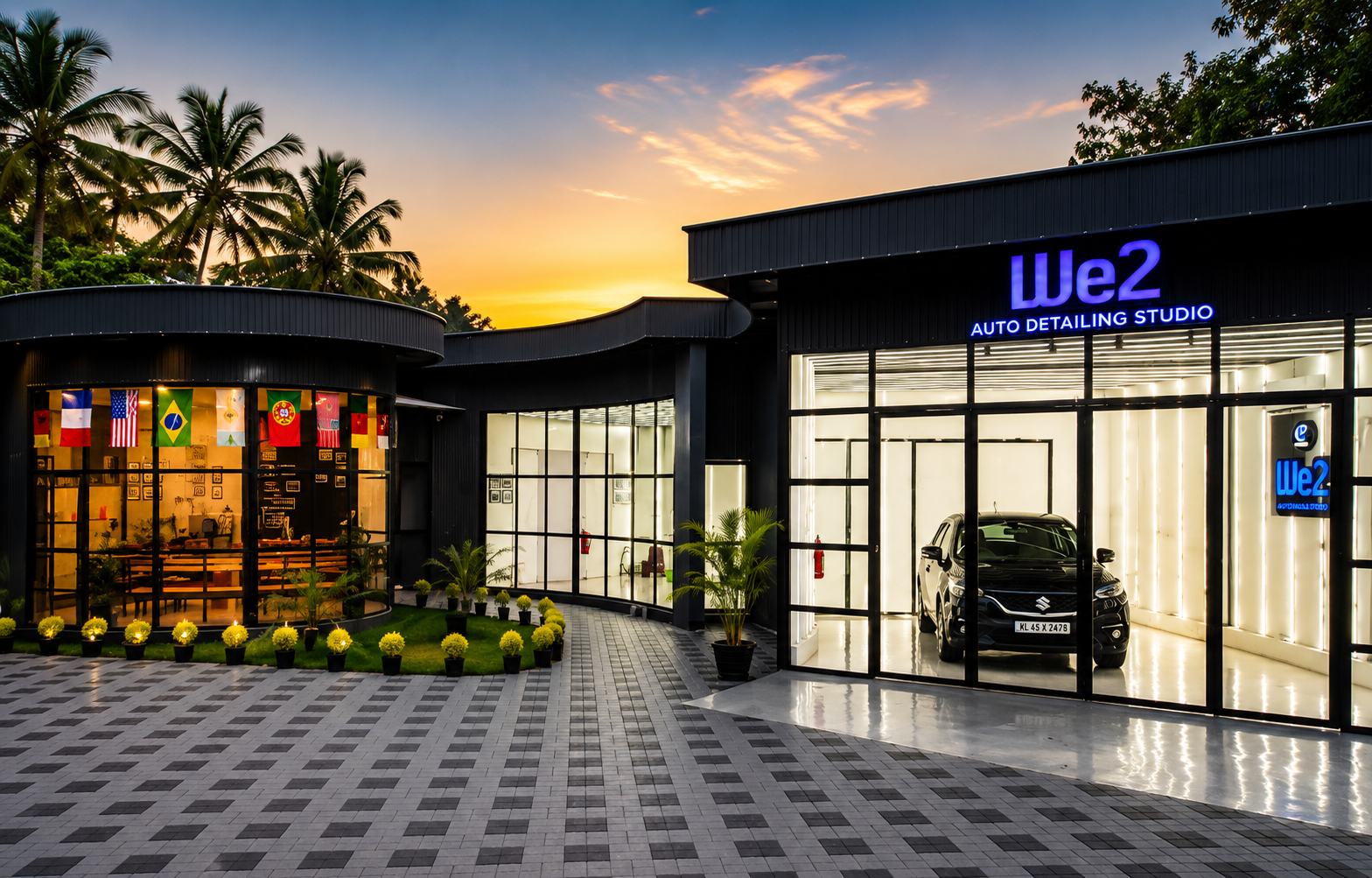
We'd rather assess your car in person than estimate coverage over a phone call. Bring it to our Irinjalakuda studio or our Mannuthy studio in Thrissur, and we'll look at the paint condition, walk through what full coverage would mean for that specific vehicle, and put together a written scope before anything is confirmed.
FAQs
Does Full Body PPF cover every part of the car?
It covers the painted exterior panels within the agreed coverage area — commonly the bonnet, bumpers, fenders, doors, mirror caps, roof, boot, and pillars. Exact coverage is confirmed for your specific vehicle rather than assumed to be identical across every model.
Is Full Body PPF worth it, or should I get partial coverage instead?
Depends on how the vehicle is used. Full coverage suits owners who want the whole exterior protected evenly, particularly with regular outdoor parking. If stone chips on the front end are the main worry, partial coverage can be the more practical choice.
How long does Full Body PPF installation take?
It depends on the vehicle, the coverage selected, and the paint condition going in. We'll give you a realistic timeframe once we've seen the car.
Does Full Body PPF make the paint scratch-proof?
No. It reduces the risk of light marks and absorbs impact that would otherwise reach bare paint, but no film makes a vehicle damage-proof, and performance depends on the specific product used.
Can I add ceramic or graphene coating over Full Body PPF?
Often, where the selected film and coating are compatible. We confirm that combination during your consultation rather than assuming it works the same way for every product.
Do I need paint correction before Full Body PPF?
Only if the inspection shows swirl marks or other defects that correction would genuinely improve. It isn't applied as a standard step on every vehicle.
Can motorcycles get Full Body PPF?
Yes, though the tighter curves on tank and fairing panels make it a more detailed job than a car. See our Bike PPF page for more on that process.
Irinjalakuda: Thekkekkara Road, near Metro Health Care Hospital, Irinjalakuda, Kerala 680121 — +91 83048 02244
Thrissur: Bypass Road, near Plakkat Tyres, Indira Nagar, Mannuthy, Thrissur, Kerala 680751 — +91 94465 70800
Open Monday to Saturday, 9:30 AM–6:30 PM. Closed on Sundays.
Request a free consultation or see our studios in Irinjalakuda and Thrissur for more contact options. You can also read more about Menora We2 Auto Detailing Studio.