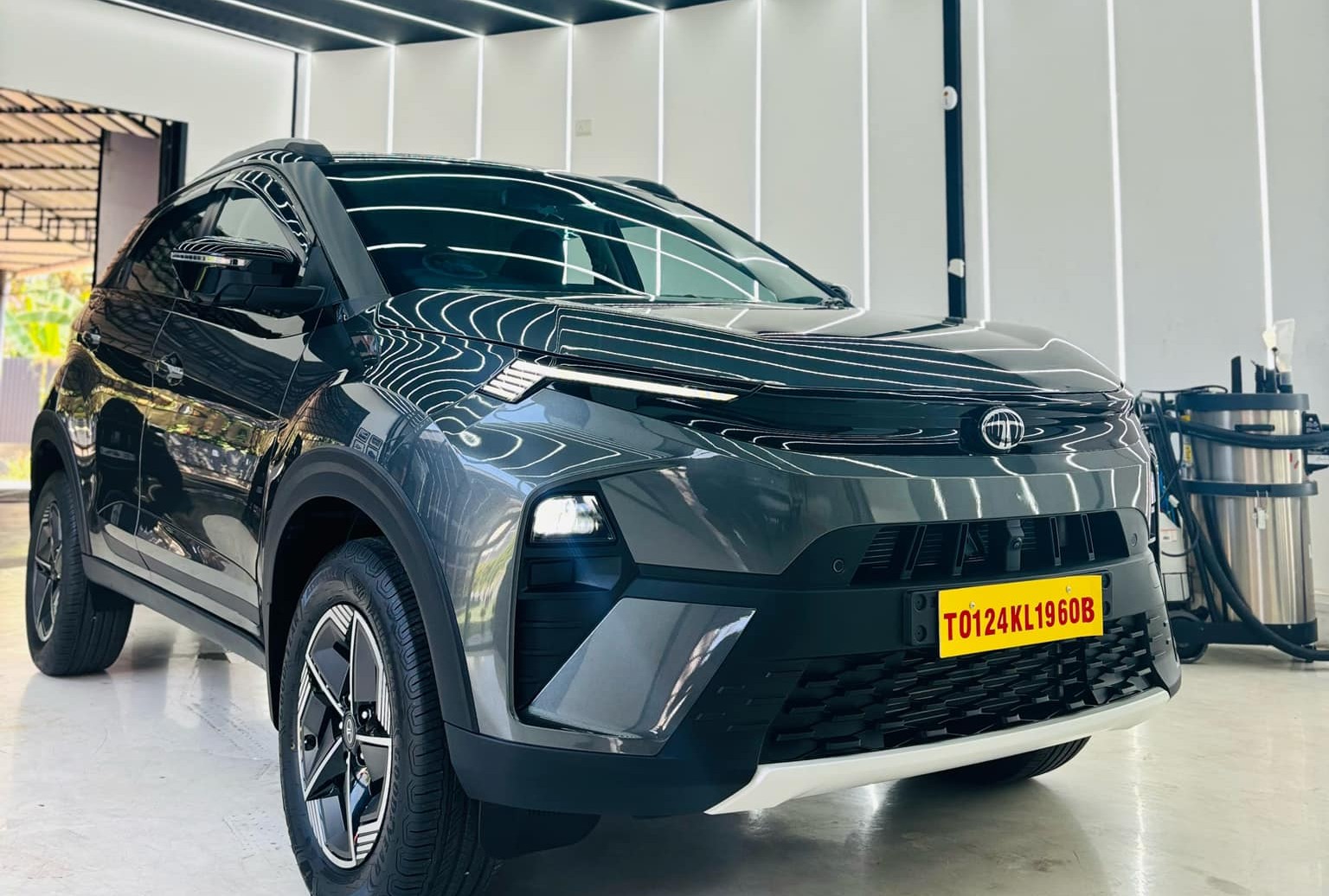
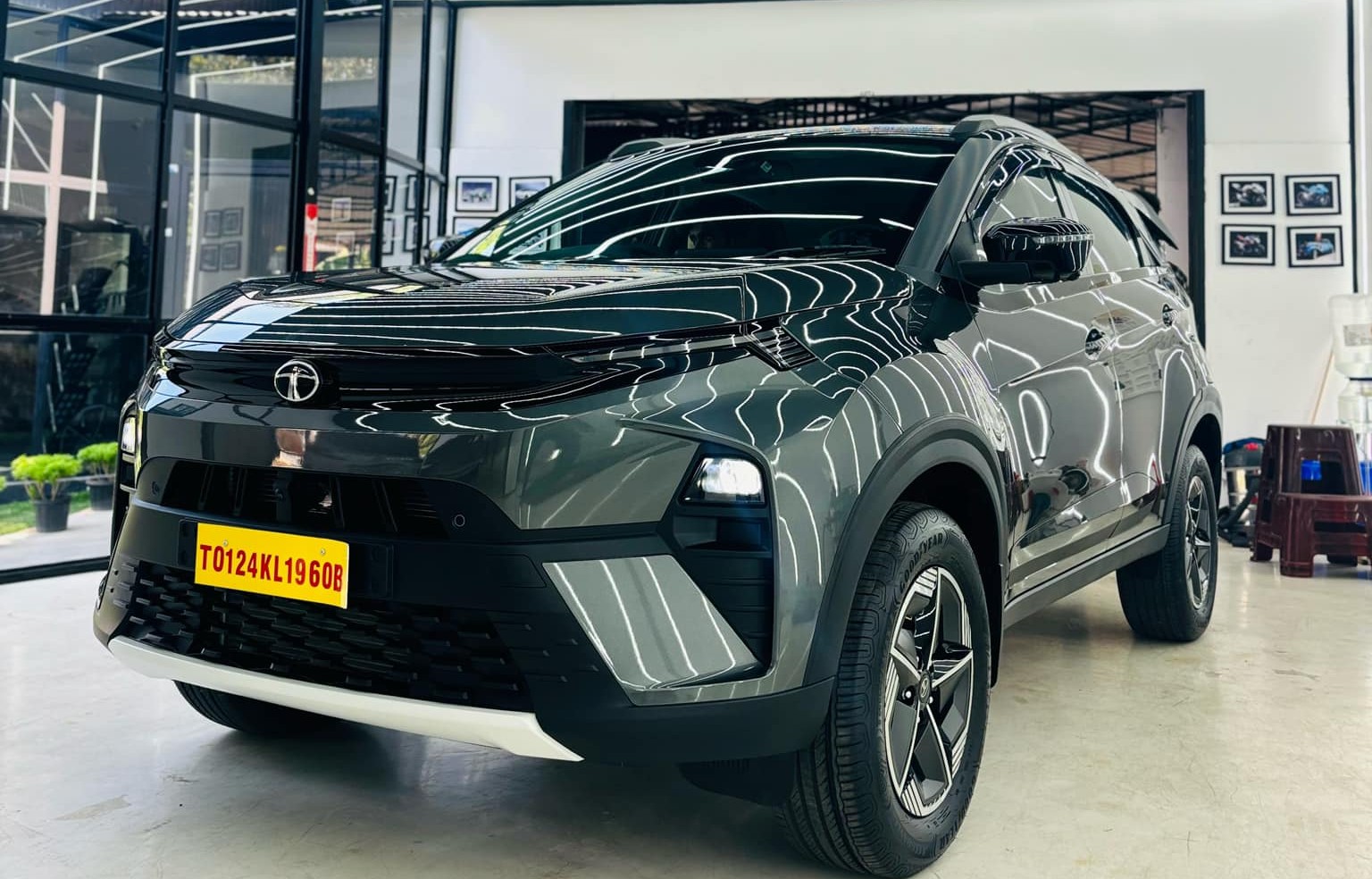
Paint protection film (PPF) is a transparent, thermoplastic polyurethane (TPU) film applied over a car or bike's painted surfaces as a physical protective layer. It's designed to absorb stone chips, road debris impacts, and light surface marks that would otherwise affect the paint directly, while staying optically clear so it doesn't change how the vehicle looks. Menora We2 installs PPF for cars and bikes at our Thrissur studio, starting with a free consultation before any work is booked in.
What Is Paint Protection Film?
PPF is a physical film, not a chemical treatment — that's the core difference between PPF and a ceramic or graphene coating. It sits on top of the clear coat as a sacrificial layer: when something makes contact with the film — a stone chip, a scrape from parking close to a wall or kerb — the film takes the impact instead of the paint underneath. Many quality TPU PPF products are available with a self-healing top coat, depending on the film selected.
Understanding TPU and "Self-Healing" Film
TPU (thermoplastic polyurethane) is the film material itself, and it's what distinguishes genuine PPF from lower-grade film alternatives. Self-healing refers to the film's top coat: light surface marks and fine swirling in the film can smooth out with warmth, whether from sun exposure or warm water. This applies primarily to light surface marks — it doesn't mean the film is damage-proof. A deep cut, a gouge, or more serious damage won't self-heal, and the affected section of film may need to be replaced.
Gloss PPF or Matte PPF
Choosing a finish is one of the first decisions to make, and it's largely about the look you want rather than one option being objectively better.
Gloss PPF maintains the vehicle's existing glossy appearance and can enhance the visual depth of the paint underneath. It suits owners who want physical protection while keeping the car's original look.
Matte PPF gives the vehicle a satin, matte appearance and noticeably changes its visual character. It suits owners who specifically want that finish, independent of the protective benefit.
We'd recommend seeing both finishes in person before deciding, since the visual difference is significant and photos don't always capture it accurately.
Full Body PPF or Partial / Targeted PPF
Coverage is the second major decision, and it depends mainly on how the vehicle is used.
Full body PPF covers the vehicle's exterior broadly, for owners who want extensive coverage across the whole car.
Partial or targeted PPF focuses protection on the areas that take the most contact and impact — commonly the front bumper, bonnet, front fenders, mirror caps (ORVMs), and headlamp areas where appropriate, along with door edges, door cups, boot lip, and door sills for everyday contact protection.
Which approach makes sense depends on how you drive and park the vehicle day to day — we'll talk through this during your consultation rather than defaulting to one option.
Car PPF in Thrissur
We install PPF across a wide range of vehicles — everyday hatchbacks and sedans, SUVs and MUVs, and electric vehicles. New cars are generally strong candidates since the paint is in its best condition before it picks up any road wear. For vehicles that are a little older, we assess the paint during the consultation and will recommend correction if it would meaningfully improve the result — not automatically, and only where the inspection supports it.
Bike PPF in Thrissur
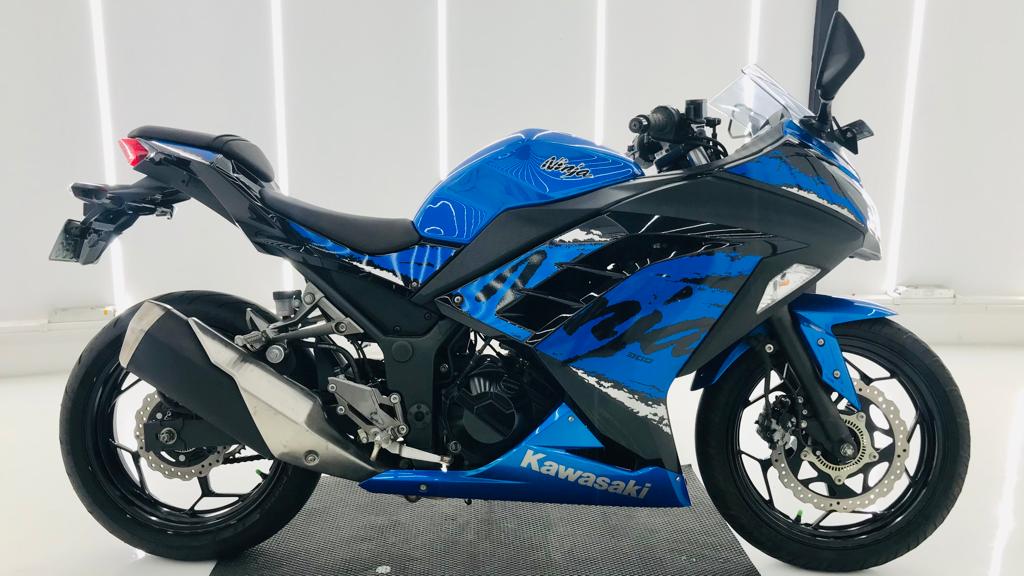
Motorcycles pick up their own specific type of wear — scuffs on the fuel tank from riding gear, stone chips on fairings, and marks on side panels and the mudguard from everyday riding and parking. Depending on usage, these high-contact painted areas can benefit from film protection. Installation on a bike is more intricate than on a car, since panels have tighter curves and require careful, precise cutting for each piece. See our bike PPF page for more detail on motorcycle-specific installation.
Why Thrissur Driving Conditions Matter
A few practical, everyday factors make physical protection worth considering here. Highway driving carries a genuine risk of stone chips and road debris impact, particularly on the front of the vehicle. Ongoing construction activity in and around the district can mean more dust and debris on the road than usual. Monsoon conditions add moisture and road grime to the mix. Regular city traffic and tight parking or close-contact areas also mean everyday scuffs and scrapes are a normal part of ownership, not just a highway concern. None of this is unusual for the region — it's simply the everyday driving and parking environment PPF is designed to help with.
Do You Need Paint Correction Before PPF?
This depends on the current condition of the paint. Film protects the surface condition present at the time of installation — if there are swirl marks, oxidation, holograms, scratches, or contamination already in the paint, that condition may remain visible underneath the film rather than being corrected by it. We check this during the consultation, and paint correction may be recommended where it would make a genuine difference — not as a default requirement for every vehicle. Read more on our paint correction page.
PPF vs. Ceramic Coating vs. Graphene Coating
These address different things, and understanding the distinction helps in deciding what your vehicle actually needs.
PPF provides physical impact protection — it's built to absorb stone chips, scrapes, and similar contact damage.
Ceramic coating provides surface protection, added gloss, hydrophobic water behaviour, and easier day-to-day maintenance, but it isn't physical armour and won't stop a stone chip or a scratch.
Graphene coating falls into the same general category as ceramic coating — a surface-level protective and gloss-enhancing treatment — with the specific characteristics depending on the product.
Ceramic or graphene coating does not replace PPF for physical impact protection, and the two are commonly combined rather than treated as an either/or choice. Where both are wanted, the typical sequence is PPF first, followed by ceramic or graphene coating applied over the film and the rest of the vehicle. See our ceramic coating and graphene coating pages for more detail on each.
PPF Installation Process at Our Thrissur Studio
Initial inspection of the vehicle and paint condition
Thorough wash
Decontamination
Iron fallout removal where required
Clay bar treatment where required
Paint correction, if the inspection indicates it would help
Surface preparation ahead of film application
Precision film cutting for each panel
Film positioning and installation using a controlled process
Edge finishing and wrapping where appropriate to the panel
Final inspection
Curing period and handover, with care instructions explained
The time this takes depends on the vehicle and the coverage chosen — we'll confirm the expected process and timeline with you after the initial inspection rather than quoting a fixed duration upfront.
Caring for PPF After Installation
Follow the recommended initial curing period before washing.
Use a pH-neutral shampoo rather than a generic detergent.
Wash with a clean microfibre wash mitt.
Avoid harsh automatic brush washes.
Avoid directing high-pressure water directly at film edges.
Remove bird droppings and tree sap promptly rather than letting them sit.
Follow the specific maintenance recommendations we go through with you at handover, since they can vary by film and coverage.
Free PPF Consultation at Our Thrissur Studio
The right finish and coverage for your vehicle depends on its size, how you use it, and the current condition of the paint. We offer a free consultation at our Thrissur studio: we'll assess the paint, walk you through your gloss/matte and full/partial options, and explain manufacturer warranty documentation where applicable before any work begins.
Why Choose Menora We2 in Thrissur
Paint protection film, paint correction, and ceramic and graphene coating are core parts of what we do at the Thrissur studio, not an occasional add-on. We assess every vehicle's paint condition before recommending anything, work with TPU film backed by manufacturer warranty documentation where applicable, and talk through finish and coverage options with you in person rather than defaulting to the most extensive package. For a broader overview of our PPF services in Irinjalakuda and Thrissur, see our main Paint Protection Film service page.
PPF also pairs naturally with a full car detailing visit if you're having other work done at the same time.
FAQs
What is PPF? A transparent, physical film applied over a vehicle's painted surfaces to protect against stone chips, road debris, and light surface marks, without changing how the vehicle looks.
Is PPF worth it for a regular family car? It can be, depending on how the car is used — vehicles that do regular highway driving tend to see the most practical benefit from front-end coverage. We'll talk through whether it's a good fit for your specific situation during the consultation.
How long does PPF last? Quality TPU PPF is designed to provide long-term protection, with actual service life depending on the film selected, vehicle use, exposure, maintenance, and the applicable manufacturer warranty. We'll go through the specifics for the film you choose during your consultation.
Does PPF damage factory paint? No — when properly installed and removed according to the manufacturer's recommendations, genuine TPU PPF is designed to protect the paint underneath. Paint condition and installation quality also matter.
Can PPF be removed? Yes. Properly installed film can be removed, and issues during removal are generally tied to lower-grade film or paint that wasn't properly prepared before installation.
Does PPF self-heal? Light surface marks and fine marring in the film can smooth out with warmth. This applies to light surface marks specifically — it isn't damage-proof, and deeper cuts or gouges may require the affected section to be replaced.
Will PPF prevent scratches? It's designed to help protect against light surface scratches and marring on the film's surface, but it isn't a scratch-proof or damage-proof product — significant impacts can still mark or damage the film.
Does PPF protect against stone chips? Yes, that's one of its primary purposes — absorbing stone chip and road debris impact that would otherwise mark the paint directly. It isn't a guarantee against all damage, but it's built specifically for this kind of everyday impact.
Should I choose gloss or matte PPF? It depends on the look you want. Gloss maintains the vehicle's existing glossy appearance; matte gives it a satin finish and changes its visual character. Both provide the same category of physical protection — the choice is primarily aesthetic.
Is full-body PPF necessary? Not necessarily — it depends on how you use the vehicle. Full body coverage suits owners who want extensive protection across the whole car, while partial or targeted coverage on high-impact areas is a reasonable choice for many owners. We'll discuss what fits your situation during the consultation.
Do I need paint correction before PPF? Not automatically — it depends on the current condition of your paint. Film protects the surface condition present at installation, so if there are existing swirl marks or imperfections, we'll check during the inspection and recommend correction only where it would make a genuine difference.
Can PPF be applied over ceramic coating? It's not generally recommended directly over a fresh ceramic coating, since film adhesive bonds best to bare clear coat.
Can ceramic coating be applied over PPF? Where compatible with the selected PPF and coating system, ceramic or graphene coating can be applied over the film and the rest of the vehicle for additional surface protection and easier maintenance. The film is installed first, followed by the compatible coating system.
Can PPF be installed on motorcycles? Yes — fuel tanks, fairings, side panels, mudguards, and other high-contact painted areas can be protected depending on usage. Motorcycle panels have tighter curves and need careful, precise installation.
Can damaged PPF sections be replaced? Yes — because film is applied panel by panel, a damaged section can generally be replaced without needing to redo the entire vehicle.
How should I maintain PPF? Use a pH-neutral shampoo and a clean microfibre mitt, avoid automatic brush washes, avoid pointing high-pressure water directly at film edges, and remove bird droppings and tree sap promptly. We'll go through the specific care recommendations for your film at handover.
Does PPF come with a manufacturer warranty? Manufacturer warranty documentation is provided where applicable, with the specific terms depending on the film selected. We'll explain what applies to your installation during your consultation.
Talk to the Studio & Book Online
If you're unsure what your car actually needs, you can contact the studio and discuss the vehicle's condition before choosing a service — or bring it in for an inspection at either location.