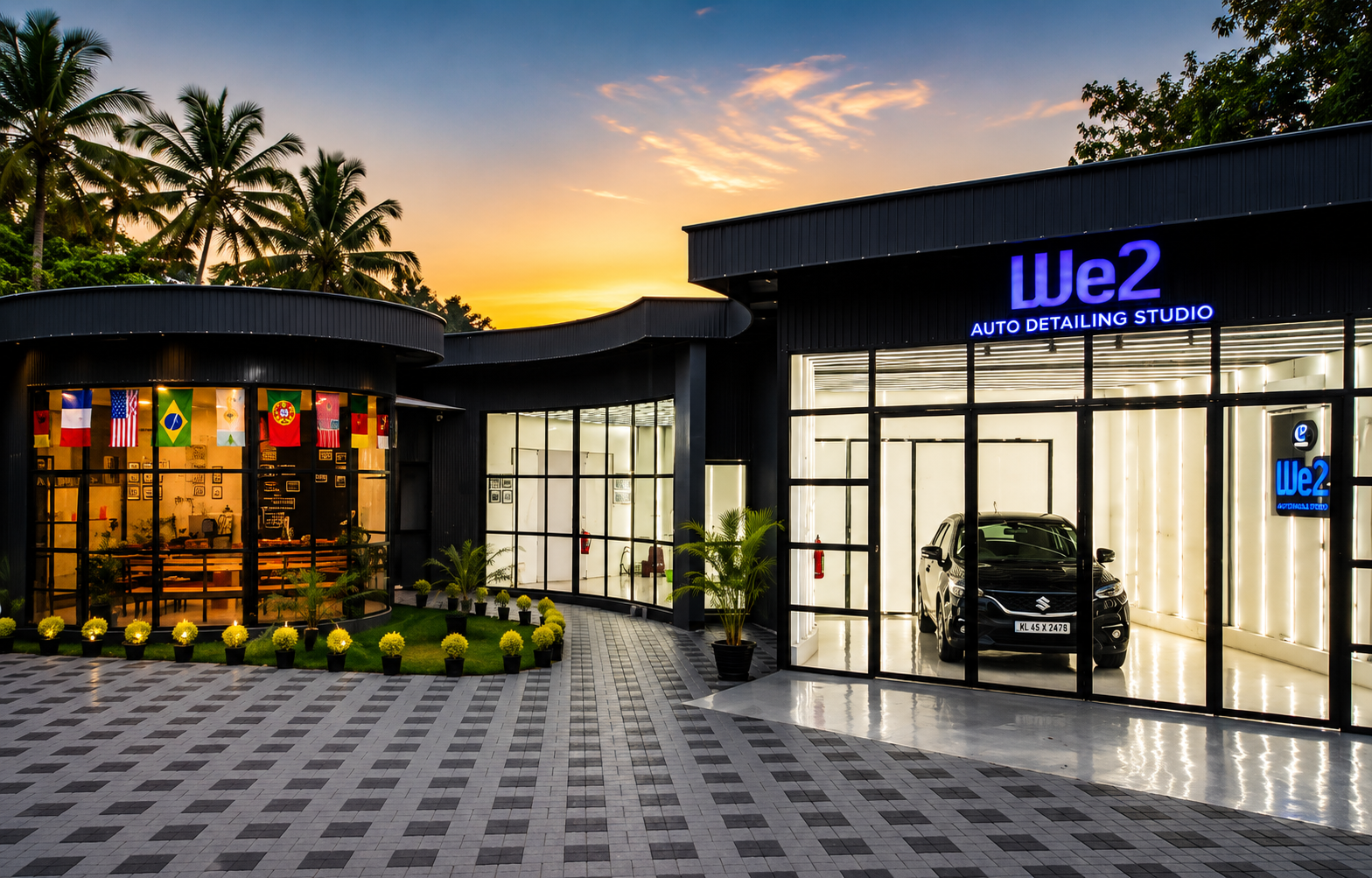
Premium Waxing & Polishing in Irinjalakuda & Thrissur
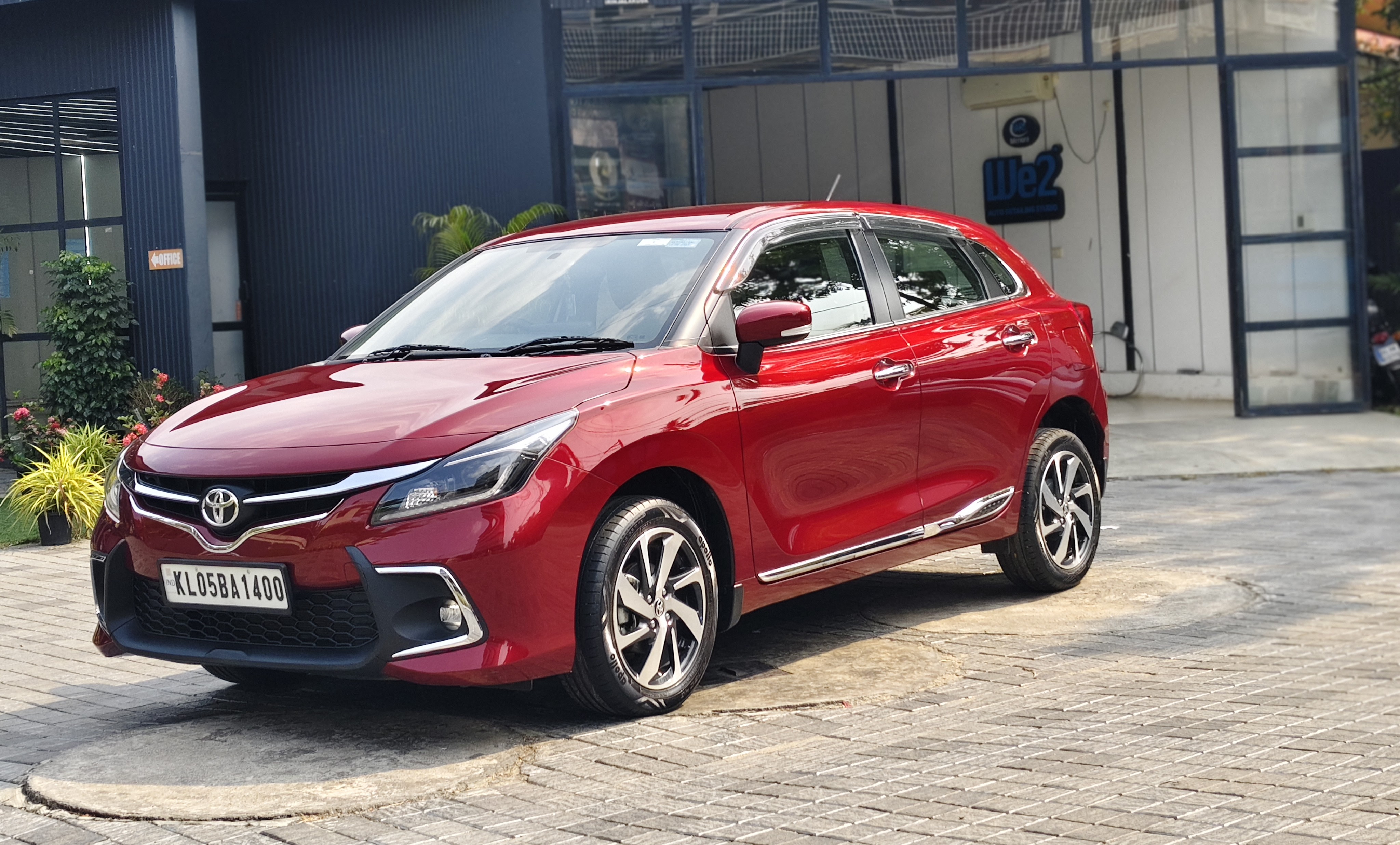
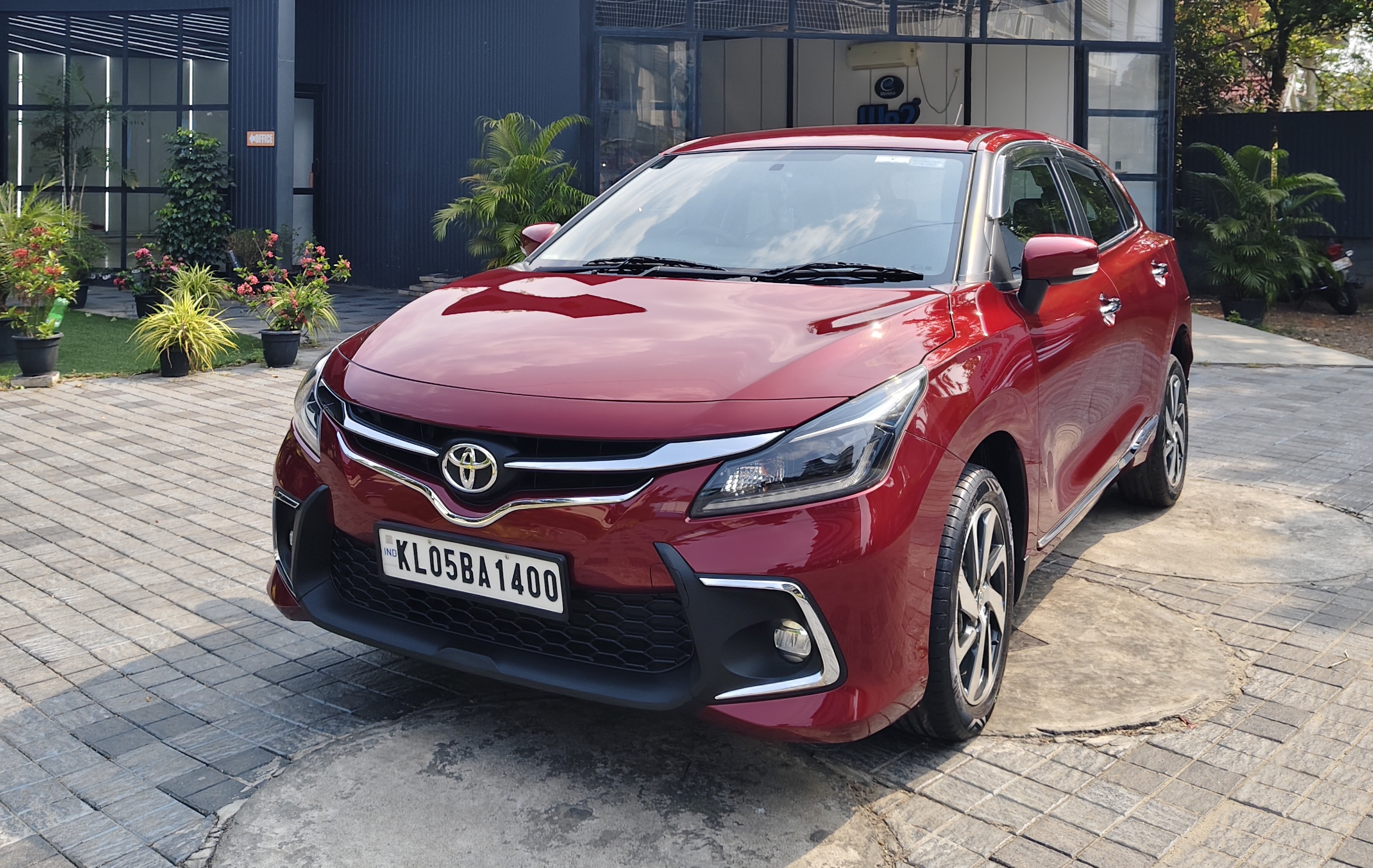
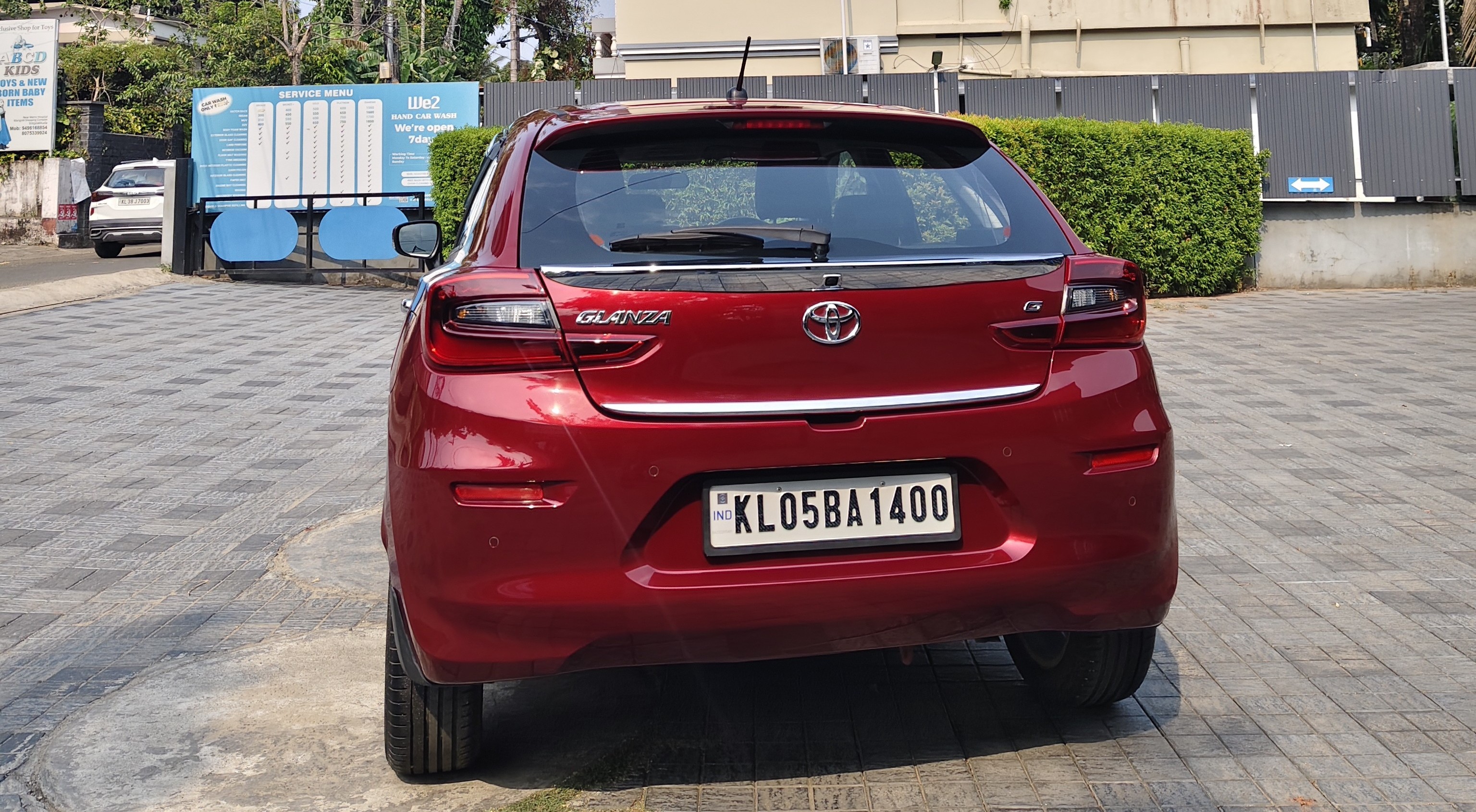
Professional waxing and polishing are two different steps that often get lumped together, but they do different jobs. Machine polishing uses a mild abrasive compound to refine the clear coat, removing surface oxidation, light haze, and general dullness — it doesn't remove swirl marks or deep scratches, which is what paint correction is for. Waxing comes after polishing and lays a sacrificial protective layer over the clear coat, adding a warm, natural-looking gloss and slowing down UV oxidation and light contamination. In short: polishing improves the condition of the paint, waxing protects it.
Menora We2 carries out both services at Irinjalakuda and Thrissur, either together or on their own, and provides a free paint assessment before recommending which one your car actually needs.
What Is Professional Waxing and Polishing?
Machine polishing uses a controlled abrasive process to refine the clear coat and improve clarity, helping remove surface oxidation and haze without treating it as a full paint-correction job. It's not a substitute for full paint correction if the car has real swirl marks or deeper scratches, but it's an effective, lower-intensity way to restore clarity between correction sessions.
Waxing is applied after polishing, once the surface is clean and refined. It sits on top of the clear coat as a sacrificial layer, giving the paint a deeper, warmer shine while offering moderate UV and contamination protection. A typical wax application may provide protection for around six to eight weeks, depending on the product, washing routine and how the car is parked.
Where Waxing and Polishing Fits
Wax and polish sit at the lighter end of the paint-care spectrum, and it's worth being clear about where each option actually fits:
Polishing vs. paint correction: Polishing refines and clears the surface; correction is the right call for swirl marks, deeper scratches, or oxidation that's gone past a surface-level problem.
Waxing vs. ceramic coating: Wax gives moderate UV and contamination protection for a matter of weeks at a time. Ceramic coating bonds chemically with the clear coat, lasts several years, and offers significantly stronger UV resistance and hydrophobic performance. Waxing is a practical maintenance option; ceramic coating is a longer-term investment. Many clients use waxing to maintain their car's finish between ceramic coating applications rather than choosing one over the other permanently.
Waxing vs. graphene coating: Graphene coating is another longer-term protection option, and whether it suits your car depends on its exposure, maintenance and the type of finish and protection you want.
Waxing/polishing vs. PPF: Wax and polish address the paint's surface condition and gloss. PPF is a physical film that protects against stone chips and scrapes. They solve different problems entirely — one doesn't replace the other.
What Waxing and Polishing Can't Do
Standard polishing is not full paint correction — it won't remove swirl marks or deeper scratches, which need a dedicated correction process. Wax is not a substitute for ceramic or graphene coating — it doesn't bond to the clear coat the way those do, and it protects for weeks rather than years. It also doesn't protect against stone chips or scrapes the way PPF does. Deep scratches or paint damage need the appropriate repair or correction process, not a polish or wax. We'll tell you honestly which service your car actually needs rather than recommending one that won't fix the underlying issue.
Our Process
Every visit starts with an inspection under proper lighting to check the paint's actual condition — oxidation, haze, and any swirl marks or scratches that would need correction rather than polishing. From there, if polishing is right for the car, we run a machine polish with a mild abrasive compound to refine the clear coat. If waxing is included, it's applied once the polished surface is clean and ready, sealing in the refined finish and adding protective gloss. The car gets a final check under the same lighting before it goes back to you.
Aftercare
Wash in shade or early morning rather than under direct midday sun, especially when the wax has been freshly applied.
Use a pH-neutral shampoo and the two-bucket method to avoid dragging grit back across the polished surface.
Stick to clean microfibre towels rather than reused cloths or sponges.
Wax typically needs reapplying every six to eight weeks, depending on the product used and how the car is parked and washed.
The right service depends on the vehicle's size, current paint condition and whether polishing, waxing or both are actually needed. We check the paint under proper lighting first and explain what the car genuinely needs before any work begins — that includes assessing the current paint condition, checking for oxidation and haze, and telling you honestly whether polishing is appropriate, whether waxing would help, or whether the car actually needs full paint correction instead.
Why Choose Menora We2 Auto Detailing Studio
We inspect every car under proper lighting before recommending anything, and we'll tell you when a car needs paint correction rather than pushing a polish that won't fix the underlying issue. Work is carried out by in-house trained technicians in a dust-controlled bay, and every car gets a final check under the same lighting used at inspection before it goes back to you.
What's the difference between waxing and polishing? Polishing uses a mild abrasive compound to refine the clear coat and remove surface oxidation and haze. Waxing comes after and adds a protective, glossy layer on top. Polishing improves the paint's condition; waxing protects it.
Is machine polishing safe for my car's paint? Yes, when carried out correctly. The level of polishing is selected according to the condition of the paint, and the surface is inspected before work begins so the process matches what the car actually needs.
Does polishing remove scratches or swirl marks? Light haze and surface oxidation, yes. Swirl marks and deeper scratches need full paint correction rather than a standard polish — we'll tell you honestly which one your car needs.
How long does a wax layer actually last? Around six to eight weeks, depending on the product, washing routine and how the car is parked — we'll give you a more specific expectation based on your car.
How does waxing compare to ceramic coating? Wax sits on the surface and gives moderate, shorter-term UV and contamination protection. Ceramic coating bonds chemically to the clear coat and lasts several years with significantly stronger UV resistance and hydrophobic performance. Many owners use wax to maintain the finish between ceramic coating applications.
Is waxing worth it if I'm planning to get ceramic coating later? It can be, especially if the ceramic coating appointment is a while off — waxing keeps the paint protected and glossy in the meantime. We can talk through timing during your visit.
How often should I wax my car? It varies by product, washing frequency, and how the car is parked — we'll give you a specific recommendation based on your car rather than a fixed schedule.
Do I need polishing before every wax application? Not necessarily — if the paint is already clean and free of oxidation, wax can be reapplied on its own. Polishing is worth repeating when haze or dullness has built back up.
What's the difference between waxing/polishing and PPF? They solve different problems. Wax and polishing address the paint's surface condition and gloss. PPF is a physical film that protects against stone chips and scrapes. Neither is a substitute for the other.
Talk to the Studio & Book Online
If you're unsure what your car actually needs, you can contact the studio and discuss the vehicle's condition before choosing a service — or bring it in for an inspection at either location.